

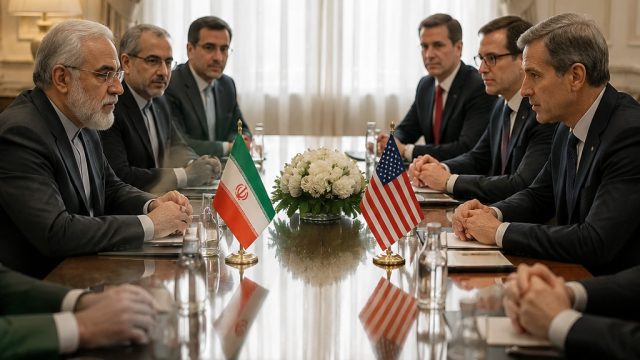
In a significant development, Iranian officials have reported notable progress in their ongoing discussions with the United States regarding nuclear agreements. However, as the talks unfold, Iran has firmly ruled out any possibility of permitting inspections of its nuclear facilities. This position underscores the complexity of the negotiations and the delicate balance of power in the region.
The Context of Current Negotiations
The backdrop of these negotiations is characterized by heightened tensions between Iran and the US, particularly following the withdrawal of the US from the Joint Comprehensive Plan of Action (JCPOA) in 2018. The subsequent imposition of stringent sanctions has led to a dire economic situation in Iran, prompting the country to seek relief through diplomatic means.
Recent Developments
- Iran's recent statements indicate a willingness to engage in dialogue, albeit with strict limitations regarding inspections.
- The Biden administration has shown a cautious approach, hoping to revive the nuclear deal while addressing regional security concerns.
- Concessions from both sides may be necessary to create a conducive atmosphere for ongoing discussions.
Implications of the Negotiations
The implications of these negotiations extend beyond the immediate parties involved. Stability in the Middle East is contingent upon a resolution of these nuclear talks, which could pave the way for broader peace initiatives.
Regional and Global Impact
As the negotiations progress, several factors could influence the outcome:
- Security Dynamics: The potential for increased military tensions in the region remains, particularly if dialogue stalls.
- Global Energy Markets: Any developments affecting Iran’s oil exports could have substantial effects on global oil prices.
- International Relations: The outcome of these talks may redefine relationships between Iran and other nations, including those in Europe and Asia.
Why This Matters Now
The urgency surrounding Iran's negotiations with the US cannot be overstated. As global stability hangs in the balance, the need for effective diplomacy is more critical than ever. The world is not only watching but increasingly anxious about the ramifications of a protracted stalemate in these talks.
Public Sentiment and Political Pressure
Both Iran and the US are facing significant domestic pressures that could impact the negotiations:
- In Iran, public dissatisfaction with economic conditions is rising, which may compel the government to seek more favorable terms.
- In the US, political factions are divided on how to approach Iran, adding a layer of complexity to the negotiations.
Conclusion
As the discussions continue, the international community remains hopeful for a resolution that could lead to enhanced security and cooperation in the Middle East. The coming weeks will be crucial in determining whether Iran and the US can bridge their differences and move towards a sustainable agreement. The stakes are high, and the global implications of a successful negotiation could reshape the geopolitical landscape for years to come.
