

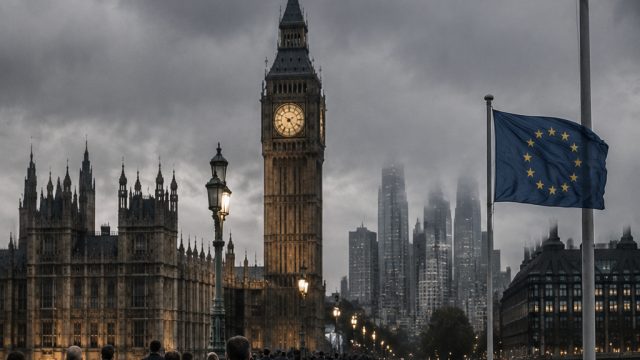
Brexit a Decade Later: The Economic and Political Transformation of the UK
As we mark ten years since the United Kingdom's historic decision to leave the European Union, it's important to reflect on the profound changes that have occurred in both the economy and the political landscape of the UK. This anniversary prompts a deeper examination not only of the expectations that surrounded Brexit but also of the realities that followed.
The Economy: Gains and Losses
In the years following the referendum, the UK economy has faced a mixture of opportunities and challenges. Initially, the anticipated economic boom was overshadowed by uncertainty and volatility. According to various reports, key indicators illustrate how Brexit has altered trade dynamics, investment trends, and labor markets.
Trade Dynamics Shift
- Export Challenges: Businesses have encountered increased tariffs and regulatory barriers, impacting trade with EU partners.
- New Trade Agreements: The UK has sought to forge new trade deals beyond Europe, particularly with countries in Asia and North America.
- Market Access: Many companies have had to adapt their operations to navigate the complexities of exporting goods to the EU.
The Political Landscape: Turmoil and Transition
The political fallout from Brexit has been significant, leading to shifts within major political parties and altering public sentiment. The government's approach to implementing the referendum's outcome has sparked debates and divisions.
Political Instability
- Leadership Changes: The Conservative Party has seen multiple leaders since the referendum, reflecting ongoing challenges in governance.
- Rise of Populism: Brexit has energized populist movements, influencing elections and policy decisions across the UK.
- Public Sentiment: Polls indicate a growing divide among citizens regarding the benefits and drawbacks of leaving the EU.
Public Services and Community Impact
Brexit's implications extend beyond economics and politics; they have also affected public services and community cohesion. Issues such as labor shortages in critical sectors have become increasingly evident.
Healthcare and Workforce Shortages
- Staffing Issues: The UK healthcare system has struggled with shortages, particularly in nursing and specialized care, exacerbated by reduced immigration.
- Sector Vulnerability: Industries such as agriculture and hospitality have faced difficulties in filling roles, impacting service delivery.
- Community Tensions: Changes in immigration policy have led to debates around community identity and inclusivity.
Looking Ahead: The Future of the UK Post-Brexit
As we move beyond the tenth anniversary of Brexit, it's crucial to consider the future trajectory of the UK. Will it emerge resilient, or will the challenges prove insurmountable? Analysts suggest that the coming years will be critical in determining the long-term impact of these shifts.
Key Areas to Monitor
- Economy Recovery: Will the UK successfully navigate economic recovery amidst global challenges and recession fears?
- Political Unity: Can the major parties unite to address the divisions that Brexit has exacerbated?
- Public Opinion: How will public sentiment evolve as the realities of Brexit continue to unfold?
Conclusion
The decade following Brexit has proven to be transformative for the UK, with profound changes reshaping the economy and political landscape. As the nation grapples with the consequences of its decision, understanding these developments remains crucial for shaping a path forward. The ongoing discourse surrounding Brexit will undoubtedly influence not only the UK but also its role on the global stage.
