

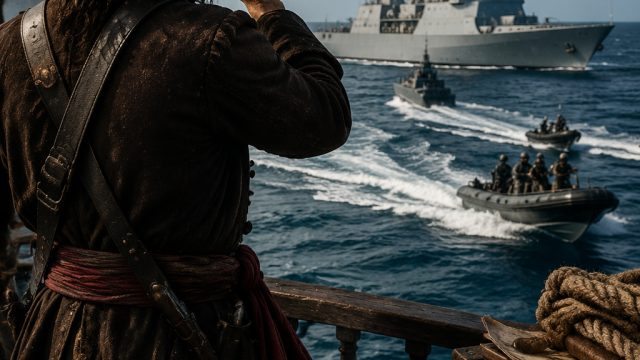
In an era where maritime security is paramount for global trade and safety, understanding the history of piracy offers critical insights into how these challenges have evolved. The infamous pirate activities off Nantucket in the 19th century serve as a reminder of the ongoing necessity for vigilance and innovation in maritime protection.
Historical Context of Piracy in the 19th Century
During the mid-1800s, maritime trade was a lifeline for economies across the globe. However, this prosperity attracted the unwanted attention of pirates, particularly along the coasts of New England. The region's rich fishing grounds and bustling harbors made it a prime target for seafaring criminals.
Pirate Activities Off Nantucket
One notable event occurred on June 17, 1863, when Captain Frederick Nelson reported an encounter with the Boston-based fishing schooner, Rose. This incident underscored the persistent threat posed by pirates, as well as the challenges faced by law enforcement on the high seas. These pirates were not just common criminals but also represented a significant disruption to trade and shipping routes.
The Influence of Piracy on Modern Maritime Regulations
Fast forward to today, the legacy of these 19th-century pirates continues to shape maritime laws and practices. Modern piracy, while often perceived as a distant threat, has clear roots in historical events that demanded regulatory responses.
Changes in Maritime Law
- Increased naval patrols in piracy-prone areas.
- Establishment of international maritime agreements to combat piracy.
- Stricter regulations for shipping companies to enhance vessel security.
These changes have made the seas safer for trade but also highlight the necessity of adapting to emerging threats, similar to those faced during the height of 19th-century piracy.
Modern Maritime Security Threats and Responses
While the nature of piracy has transformed, its existence is still felt worldwide. From the coast of Somalia to the waters of Southeast Asia, piracy remains a concern for shipping companies and governments alike. Here’s a look at how modern piracy differs from its historical counterpart:
Contemporary Piracy Compared to 19th Century Piracy
- Motivations: Today’s pirates often operate from impoverished regions, driven by economic desperation.
- Technology: Modern pirates utilize advanced technology, including GPS and communication tools, to coordinate attacks.
- Response: Increased collaboration between nations to address piracy through naval operations.
These modern adaptations show that while the challenges faced by maritime security have changed over the years, the need for collective action remains constant.
Conclusion: The Importance of Learning from History
The pirates off Nantucket highlight a crucial chapter in maritime history that resonates today. As we navigate through modern challenges, it is essential to appreciate how past events shape current security practices. By understanding the motivations and impacts of historical piracy, policymakers and maritime professionals can develop more effective strategies to prevent similar threats in the future. In this way, the lessons of the past remain instrumental in safeguarding our seas and ensuring the safety of global maritime trade.
