

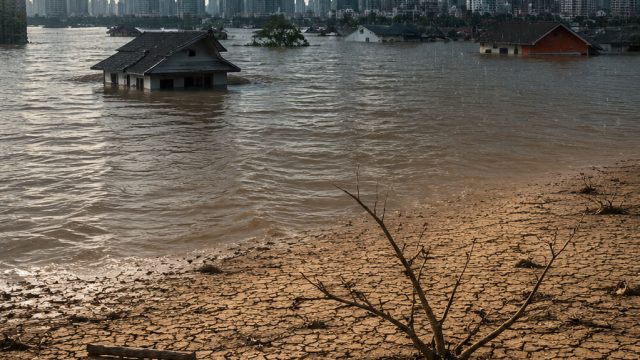
As climate change accelerates, scientists are raising alarms about a phenomenon known as hydroclimatic jumps—abrupt shifts between extreme weather events, such as rapid transitions from drought to heavy rainfall. Understanding these shifts is not only crucial for environmental scientists but also for policymakers and communities around the globe. With the increasing frequency of such events, the implications for agriculture, water supply, and disaster preparedness have never been more pressing.
The Nature of Hydroclimatic Jumps
Hydroclimatic jumps refer to sudden changes in climate patterns that can drastically affect precipitation and temperature. This phenomenon can lead to severe droughts followed by intense rainfall, which can cause flooding and soil erosion. Recent research indicates that these transitions are becoming more common as global temperatures rise, leading to instability in climate systems.
What Causes Hydroclimatic Shifts?
- Global Warming: The increase in Earth’s temperature is a primary driver of these changes.
- Atmospheric Changes: Variability in atmospheric pressure and wind patterns can trigger abrupt shifts.
- Ocean Currents: Alterations in ocean temperatures and currents significantly affect weather patterns.
The Consequences for Humanity
The implications of hydroclimatic shifts extend far beyond environmental concerns. Communities across the globe are beginning to feel the impact, particularly in vulnerable regions where agriculture and water resources are already strained.
Impact on Agriculture
Agricultural sectors are particularly susceptible to hydroclimatic jumps. Sudden transitions can lead to crop failures, affecting food security worldwide. Farmers must adapt to unpredictable weather patterns, which can require significant changes in farming practices.
Water Supply Challenges
Shifts in precipitation patterns can lead to severe water shortages or flooding, complicating water management efforts. Regions that rely heavily on consistent rainfall for water supply are especially at risk. This unpredictability poses a challenge for infrastructure planning and investment.
Preparing for the Future
Addressing the challenges posed by hydroclimatic jumps requires a multi-faceted approach. Here are some strategies that communities and governments can adopt:
- Enhanced Climate Research: Invest in scientific research to understand the mechanics of hydroclimatic shifts better.
- Improved Water Management: Develop adaptive water management strategies that can cope with fluctuating water supplies.
- Agricultural Adaptation: Encourage farmers to adopt resilient crops and innovative farming techniques.
- Public Awareness Campaigns: Increase awareness about the threats posed by climate change and promote sustainability initiatives.
Conclusion: The Time to Act is Now
As the frequency of hydroclimatic jumps increases, the urgency for action cannot be overstated. Climate scientists urge immediate attention to these issues to mitigate their impacts on society. Communities must come together to implement proactive measures that can reduce vulnerability and enhance resilience against future climatic changes. Only through collaboration and awareness can we hope to navigate the challenges that lie ahead.
