

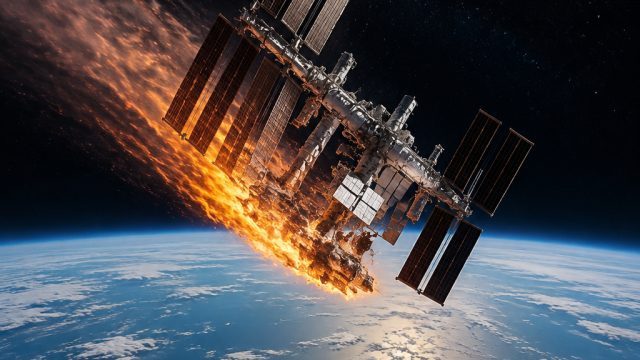
As NASA gears up to deorbit the International Space Station (ISS), experts are sounding alarms about the environmental impact of such a decision, particularly concerning ocean health. This plan underscores a clash between space exploration and ecological responsibility, challenging the narrative of technological advancement versus environmental stewardship.
The Current State of the ISS
The ISS has served as a critical hub for scientific research and international collaboration since its launch in 1998. However, the station is aging, and with its operational costs escalating, NASA has proposed a structured deorbiting process. This initiative aims to safely bring the ISS down to Earth, but the chosen method has sparked a debate among environmentalists and space agencies.
Why Deorbiting is Necessary
The ISS has served as a unique laboratory for conducting experiments in a microgravity environment. Yet, the inevitable wear and tear have rendered its infrastructure increasingly unreliable. The decommissioning of the ISS is not merely a logistical exercise; it represents a significant milestone in space exploration history.
The Proposed Deorbiting Method
- Controlled Reentry: NASA plans to guide the ISS into a controlled descent, targeting a remote section of the ocean.
- Environmental Considerations: The choice of a sea landing site is meant to mitigate risks, but what are the unforeseen consequences?
- Future Alternatives: NASA is developing new space stations that could follow the ISS, prioritizing sustainability.
Expert Concerns About Ocean Health
Environmentalists and ocean health experts express serious concerns regarding the deorbiting plan. The potential release of hazardous materials and debris during reentry could have detrimental effects on marine ecosystems. Here are some critical points raised by experts:
Risks of Contamination
Spacecraft like the ISS contain various materials that, if released into the ocean, could pose risks to marine life. Potential contaminants include:
- Hydrazine: A toxic fuel component that can be harmful to aquatic life.
- Heavy Metals: Elements used in electronic components that can leach into water bodies.
- Debris: Physical remnants from the station’s structure can disrupt marine habitats.
Impact on Marine Ecosystems
The consequences of introducing such materials into the ocean can extend beyond immediate contamination:
- Food Chain Disruption: Contaminants can bioaccumulate in marine organisms, affecting the entire food chain.
- Habitat Destruction: Debris can destroy delicate ecosystems such as coral reefs.
- Long-Term Ecological Impact: Persistent pollutants can have lasting effects on ocean health.
The Bigger Picture: Balancing Exploration and Sustainability
The ISS deorbiting plan is a reflection of a broader conversation about sustainability in space exploration. As we expand our presence in outer space, the responsibility to protect our planet's oceans becomes increasingly vital.
Innovative Solutions on the Horizon
Moving forward, NASA and other space agencies must prioritize sustainability in their missions. Some potential solutions include:
- Advanced Waste Management: Developing technologies to manage waste more effectively.
- Eco-Friendly Materials: Using sustainable materials in spacecraft construction to reduce environmental footprints.
- Collaborative Research: Partnering with environmental organizations to assess potential impacts thoroughly.
Global Implications of Space Debris
The conversation around the ISS’s deorbiting also ties into a larger global issue: space debris. As more entities venture into space, the accumulation of debris increases risks for both space operations and Earth’s environment. A comprehensive strategy is essential to address these intertwined challenges.
Conclusion: A Call for Responsible Action
The decision to deorbit the ISS is not merely a technical challenge; it raises profound questions about our responsibilities towards environmental health, particularly our oceans. As we stand on the brink of new developments in space research, ensuring that our actions in space do not harm Earth’s ecosystems must remain a top priority. A collaborative effort between space agencies, environmentalists, and policymakers is essential to forge a sustainable path forward for space exploration that respects our planet.
