

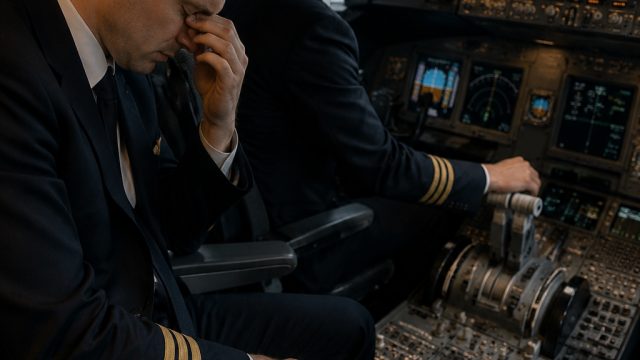
In a surprising move that has sent ripples through the aviation community, S7 Airlines has implemented new regulations restricting first officers from landing aircraft at a majority of airports. This decision comes in response to a troubling trend of hard landings, raising serious questions about pilot training and aircraft maintenance within the airline.
The Background of S7 Airlines' Policy Change
S7 Airlines, one of Russia’s leading carriers, has a reputation for its extensive domestic and international flight offerings. However, recent incidents of hard landings—where aircraft touch down with excessive force—have prompted the airline to reconsider its pilot landing procedures. Hard landings not only pose risks to passenger safety but also result in costly damage to the aircraft fleet.
Understanding Hard Landings
- What is a Hard Landing? A hard landing occurs when an aircraft touches down with greater than normal force, potentially leading to structural damage.
- Causes of Hard Landings: Factors include pilot error, poor weather conditions, and inadequate training.
- Implications: Frequent hard landings can lead to increased repair costs and aircraft downtime, impacting overall operational efficiency.
Impacts of the New Landing Policy
This new policy, which restricts first officers to non-landing roles during flights, is a significant shift in operational procedures for S7 Airlines. While some may view it as a precautionary measure to enhance safety, it also reflects broader concerns regarding pilot preparedness.
Concerns Among Aviation Experts
Many aviation experts have weighed in on the situation, emphasizing that while safety must always be the priority, such a drastic measure could indicate deeper issues:
- Quality of Training: Experts call for a review of the training programs provided to first officers at S7 Airlines.
- Aircraft Maintenance: The condition of the airline's fleet may require attention, as older aircraft can be more challenging to handle.
- Regulatory Oversight: Increased scrutiny from aviation authorities may be necessary to ensure compliance with safety standards.
The Broader Implications for the Aviation Industry
This policy change at S7 Airlines is not an isolated incident. The aviation industry globally is facing challenges related to pilot training and aircraft safety. As airlines look to save costs, corners can sometimes be cut in ways that may compromise safety:
Key Considerations for Airlines
- Investing in Training: Airlines must prioritize comprehensive training programs that prepare pilots for a variety of flying conditions.
- Fleet Management: Regular maintenance and updates are essential to ensure that aircraft remain safe and reliable.
- Industry Standards: Cooperation between airlines and regulatory bodies can help establish better safety protocols.
Conclusion: A Call for Action
The decision by S7 Airlines to restrict landing privileges for first officers underscores the importance of addressing safety concerns within the aviation industry. By investing in pilot training and maintaining aircraft to the highest standards, airlines can ensure safer skies for passengers. As the industry continues to recover from recent challenges, these measures will be crucial in restoring confidence among travelers and enhancing overall aviation safety.
As this situation unfolds, it will be interesting to see how S7 Airlines and other airlines respond to the growing emphasis on safety and training in the aviation sector.
