

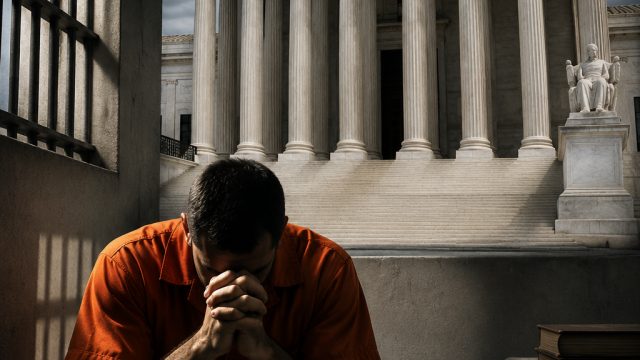
The recent decision by the Supreme Court has ignited debates surrounding religious freedoms within correctional facilities. In a pivotal ruling, the Court dismissed a case brought forth by a former inmate whose dreadlocks were cut by prison officials, arguing that his religious rights had been violated. This ruling raises pressing questions about the balance between security protocols in prisons and the rights of individuals to practice their faith.
Background of the Case
The case involved a Rastafarian man, who claimed that the shaving of his dreadlocks by prison staff constituted a infringement on his religious beliefs. Rastafarianism is deeply intertwined with the symbolism of dreadlocks, representing a commitment to a spiritual lifestyle. The events that led to this legal battle occurred after the inmate was transferred to a Louisiana correctional facility, where officials claimed that his hairstyle posed a safety risk.
The Court's Decision
In a narrow decision, the Supreme Court ruled that the inmate could not sue prison guards for damages related to the incident. The majority opinion emphasized the need for prisons to maintain order and security, suggesting that inmates' rights may be curtailed for the greater good of facility safety. The ruling has sparked outrage among civil rights advocates, who argue that such decisions undermine fundamental religious freedoms.
Implications for Religious Freedoms in Prisons
This ruling has significant implications for not only Rastafarians but all religious groups within the prison system. By siding with the prison officials, the Supreme Court has set a precedent that may limit the ability of inmates to exercise their religious rights. Here are some of the key concerns raised by this decision:
- Precedent for Future Cases: This decision may pave the way for more restrictive policies regarding personal appearance in prisons, negatively impacting inmates’ ability to adhere to their religious practices.
- Safety versus Freedom: The ruling raises the question of where to draw the line between maintaining safety in correctional environments and respecting individual rights to religious expression.
- Impact on Other Religious Groups: Other faiths that require specific grooming standards may find themselves at risk under similar scrutiny, thus broadening the implications of this case.
Voices of Dissent
Legal experts and human rights organizations have voiced their concerns over the Supreme Court's ruling. Many argue that the decision reflects a troubling trend towards prioritizing institutional convenience over constitutional protections. In a country that prides itself on religious freedom, this ruling has raised alarm about the future of prisoner rights.
Legal Perspectives
From a legal standpoint, this decision can be seen as a limitation of the Religious Land Use and Institutionalized Persons Act (RLUIPA), which aims to protect the religious rights of inmates. The interpretation of this law is critical, as it details the extent to which correctional facilities must accommodate the religious practices of those incarcerated.
Future Challenges
Following this ruling, it is expected that advocacy groups will continue to challenge similar policies in courts. Legal experts suggest that future cases may attempt to redefine the balance between security and religious expression. The landscape of prison reform continues to evolve, and this decision will undoubtedly influence ongoing discussions.
Conclusion: The Ongoing Battle for Religious Rights
The Supreme Court's ruling serves as a reminder of the ongoing struggles faced by individuals within the prison system regarding their constitutional rights. As advocates for religious freedoms prepare for the next steps in this evolving legal landscape, it is crucial for society to reflect on the importance of protecting individual rights, even within the confines of correctional facilities. The discussion stemming from this case is far from over, and it underscores the need for vigilance in safeguarding the very freedoms that define a democratic society.
