

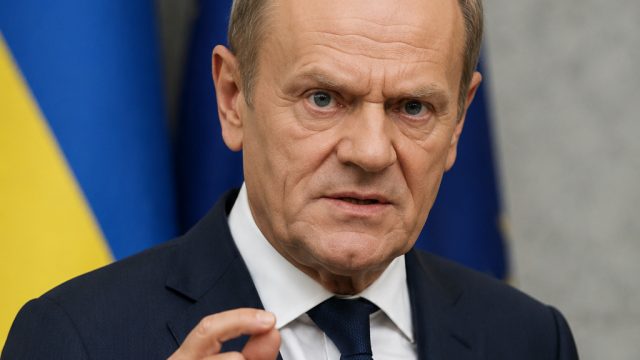
In a striking declaration, Polish Prime Minister Donald Tusk has openly criticized the ongoing entanglement of Polish politicians in the escalating conflict between Poland and Ukraine. His remarks come at a crucial time, reflecting not only on the current state of affairs but also on the potential long-term implications for regional stability.
Understanding the Context of Tusk's Statement
Tusk's comments arise from a specific incident involving political tensions between Karol Nawrocki, a prominent Polish figure, and Ukrainian President Volodymyr Zelensky. This incident has heightened anxieties regarding Poland's role in Ukraine's political landscape, prompting Tusk to label such involvement as a strategic blunder.
The Broader Implications of Political Involvement
The involvement of external politicians in another country's conflicts can often lead to unforeseen consequences. Tusk's statement underscores the necessity for Poland to remain cautious about how deeply it engages in Ukraine's political matters. Here are some key reasons why this issue is especially pressing right now:
- Regional Stability: As Ukraine continues to navigate its complex political environment, Poland's actions could either stabilize or destabilize the situation.
- Diplomatic Relations: Maintaining healthy diplomatic ties with Ukraine is vital. Overstepping may lead to friction that could hinder collaborative efforts.
- Public Sentiment: The Polish public's perception of their government's approach to Ukraine can influence domestic politics significantly.
The Historical Context of Poland-Ukraine Relations
Poland and Ukraine share a long and complex history, often characterized by both cooperation and conflict. Historically, Poland has often acted as a supporter of Ukraine's sovereignty. However, recent events have prompted a reevaluation of this role. Tusk's reflection on the current state of affairs may signal a shift towards a more cautious approach.
Analyzing Tusk's Perspective
By addressing the involvement of Polish politicians in Ukraine, Tusk is likely advocating for a strategy that prioritizes dialogue and cooperation without overstepping boundaries. His comments suggest a need for Poland to focus on:
- Promoting Peaceful Negotiation: Encouraging diplomatic solutions rather than political interference can lead to more sustainable outcomes.
- Building Alliances: Strengthening partnerships with other nations in the region can provide a buffer against geopolitical tensions.
- Maintaining a Neutral Stance: A neutral approach may allow Poland to act as a mediator, fostering goodwill between conflicting parties.
What This Means for Future Politics in the Region
As the situation evolves, Tusk's insights could serve as a guiding principle for future political engagements. The effectiveness of Poland's approach to Ukraine will likely shape regional dynamics and influence how other countries perceive their involvement in similar conflicts.
Potential Outcomes of Tusk's Caution
Should Poland heed Tusk's advice, several potential outcomes could emerge:
- Enhanced Diplomatic Relations: Taking a step back may allow for strengthened ties with Ukraine and other neighboring countries.
- Increased Trust: A more measured approach could foster trust among regional players, which is essential for long-term peace.
- Strategic Influence: By choosing not to interfere actively, Poland might position itself as a critical mediator in future negotiations.
Conclusion: A Call for Strategic Restraint
Donald Tusk's candid acknowledgment of the potential pitfalls of political involvement in the Ukraine conflict serves as a timely reminder for Poland and its leaders. Moving forward, prioritizing strategic restraint could be pivotal in maintaining not only Poland's integrity but also fostering a more stable and cooperative regional environment. As Poland navigates these challenges, the focus should shift towards constructive engagement rather than involvement in contentious political disputes.
