

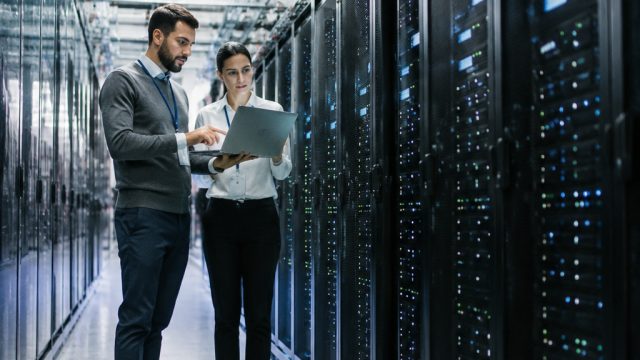
In an era marked by rapid technological advancements, the recent surge in data center leasing underscores a pivotal shift in how companies manage digital infrastructure. Major players like Meta and Microsoft are at the forefront of this $850 billion phenomenon, reshaping the landscape of cloud services and data management. This article delves into the implications of this trend and what it means for the future of technology.
The Scale of the Data Center Boom
The data center leasing market has witnessed unprecedented growth, with estimates reaching a staggering $850 billion. This boom is primarily driven by the ever-increasing demand for cloud computing services, necessitating robust infrastructure to support data storage and processing needs.
Key Players: Meta and Microsoft
Meta and Microsoft have emerged as the leading figures in this surge, with substantial investments in data center facilities over the past few years. Their commitment to expanding cloud capabilities reflects a strategic move to enhance their service offerings and meet consumer demand.
- Meta's Investments: With a focus on integrating artificial intelligence and machine learning into their services, Meta's data center expansions are crucial for supporting these advanced technologies.
- Microsoft's Strategy: By increasing its cloud infrastructure through Azure, Microsoft not only enhances its competitive stance but also plays a vital role in the global tech ecosystem.
Why This Matters Now
The timing of this data center leasing boom is critical. As businesses increasingly transition to digital platforms, the need for reliable and efficient data management solutions is paramount. The COVID-19 pandemic accelerated this shift, highlighting the vulnerabilities of traditional infrastructure and prompting a rush towards more sustainable and scalable solutions.
Impact on Businesses
Companies across various sectors are reevaluating their data strategies. Here’s how they are being affected:
- Scalability: Businesses are now able to scale their operations rapidly without the burden of maintaining physical infrastructure.
- Cost Efficiency: Leasing data centers can often be more cost-effective than building and managing one’s own facilities.
- Accessibility: Enhanced access to advanced computing resources enables smaller firms to compete with tech giants.
The Future of Data Centers
As we look ahead, the future of data centers appears bright, driven by continuous technological innovation and an increasing reliance on digital solutions. The trends shaping this future include:
Emerging Technologies
Technologies like edge computing and artificial intelligence are set to redefine data management. These innovations demand advanced data centers capable of processing massive amounts of data in real time, influencing design and operational strategies.
Environmental Considerations
With growing awareness around climate change, data centers are also under pressure to adopt greener practices. Energy-efficient designs and renewable energy sources are becoming essential aspects of new facilities.
Conclusion
The $850 billion data center leasing boom led by tech giants like Meta and Microsoft signifies more than just an investment in infrastructure; it represents a fundamental shift in the digital landscape. Businesses must adapt to these changes to remain competitive, leveraging advancements in cloud technology to optimize operations. As this sector continues to evolve, stakeholders must stay informed about trends and innovations that will shape the future of technology.
