

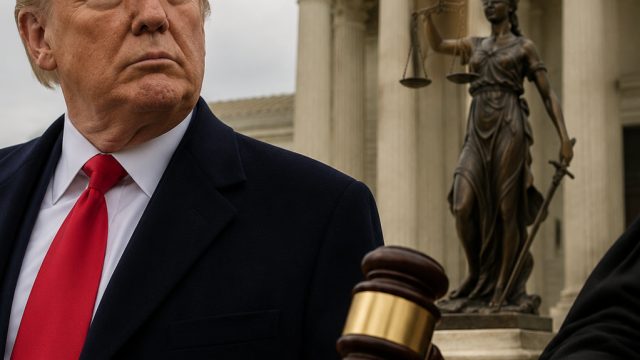
The ongoing debate over election integrity has reached a critical juncture as an appeals court has recently denied the Trump administration's efforts to obtain sensitive voter information from Michigan. This ruling is not just a legal setback; it holds significant implications for the future of electoral transparency and public trust in the voting process.
Background of the Legal Challenge
In the wake of the 2020 presidential election, various claims regarding voter fraud and election security surfaced, prompting the Trump administration to seek access to state voter rolls. The administration argued that such data was essential for validating the integrity of the election results. However, numerous states, including Michigan, resisted these requests, citing privacy concerns and the potential for misuse of sensitive information.
The Appeals Court Decision
Recently, a federal appeals court ruled against the Trump administration's bid to compel Michigan to provide its voter data. This decision reaffirms the state's right to protect the privacy of its voters and serves as a precedent for similar cases across the nation. The court emphasized that the administration failed to present adequate evidence that would justify the need for such sensitive information.
Implications for Voter Privacy and Election Integrity
This ruling raises critical questions about the balance between election integrity and voter privacy. As states navigate the complexities of securing electoral systems while maintaining public trust, the stakes have never been higher. Here are a few key implications following this decision:
- Strengthening Voter Privacy: The court's ruling reinforces the importance of protecting individual voter information from undue scrutiny and potential exploitation.
- Impact on Future Litigation: This decision could influence future legal battles related to voting rights and election security, potentially setting a precedent for how courts handle similar requests.
- Public Confidence in Elections: By rejecting the administration's demand, the court may help bolster public confidence in the electoral process, demonstrating that legal protections exist against potential abuses of power.
Broader Context of Election Integrity Efforts
The recent appeals court ruling is part of a larger narrative surrounding election integrity in the United States. Various states have implemented new voting laws and procedures in response to concerns raised during and after the 2020 election. Some of these measures aim to enhance security, while others may inadvertently restrict voter access, leading to a contentious debate across the political spectrum.
The Role of Judicial Oversight
The judiciary plays a critical role in overseeing election-related disputes. This recent ruling illustrates how courts can act as a check against executive overreach, ensuring that processes remain transparent and fair. As future elections loom, the balance between safeguarding the electoral process and respecting voter rights will likely be a focal point of legal scrutiny.
Conclusion: The Future of Voter Data Access
As discussions around election integrity continue to unfold, the appeals court's decision represents a significant moment in upholding voter privacy and fostering public trust. The implications of this ruling will reverberate as states reassess their policies regarding voter data access and security measures. As we move toward upcoming elections, it is imperative to prioritize transparency while ensuring that the rights and privacy of voters are protected.
