

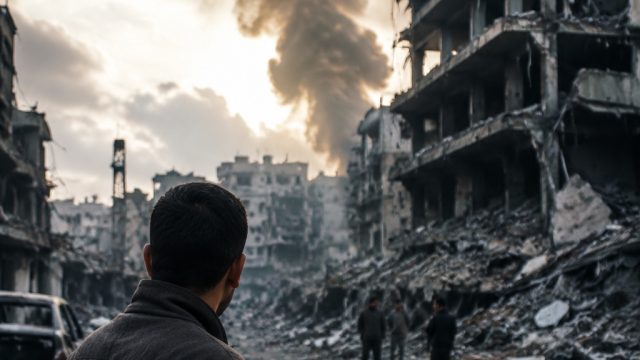
Understanding Local Sentiments on the Ceasefire
The recent discussions surrounding a ceasefire agreement between Israel and Hezbollah have sparked a complex range of emotions among residents in northern Israel. While official statements declare progress, many locals express skepticism about the feasibility and longevity of such agreements. The persistent unrest and cyclical violence have led to a prevailing sense of doubt. What does this mean for everyday life in the region?
Ongoing Conflict: A Narrative of Uncertainty
For many, the realities of living near conflict zones overshadow any diplomatic efforts. Reports from the area indicate that Israeli military actions have resulted in casualties, with the recent unrest further aggravating community tensions. As locals grapple with the devastating impacts of warfare, the notion of a ceasefire may appear as nothing more than a temporary reprieve.
Casualties and Community Reactions
- Recent Israeli operations have reportedly led to civilian casualties in southern Lebanon.
- Local leaders are calling for urgent humanitarian support to address the crisis.
- There is a growing fear that escalation will continue despite tentative ceasefire agreements.
The Human Cost of Conflict
The humanitarian implications of the ongoing strife are becoming increasingly dire. Communities in northern Israel and Lebanon are facing a dual crisis: immediate threats from violence and the long-term repercussions of sustained conflict. Residents express disillusionment with both local and international responses, feeling overlooked in the broader geopolitical discussions.
Daily Life Amidst Chaos
For those living in the affected regions, everyday life has shifted dramatically. Schools remain closed, businesses operate under constant fear, and families are often torn apart by the ongoing violence. Here's how residents are coping:
- Emergency preparedness plans have become a part of daily life.
- Community support networks are growing, as locals band together for mutual aid.
- Many are turning to online platforms for resources and support, reflecting a shift in how communities connect and survive.
Political Implications: What Lies Ahead?
The political landscape in the region is as unpredictable as the situation on the ground. Analysts suggest that the skepticism surrounding ceasefire agreements may impact future negotiations. Trust between parties remains low, which complicates efforts aimed at achieving lasting peace. The involvement of external powers and regional politics adds another layer of complexity to an already fraught issue.
Looking Towards the Future
As discussions about potential ceasefires continue, the local populace remains wary. There is a pervasive belief that without genuine commitment from all sides, these agreements are merely fleeting solutions to deep-rooted issues. The public's voice must be included in future dialogues if there is any hope for resolution.
Conclusion: The Role of Awareness and Engagement
The situation in northern Israel provides an important case study on the interplay between local sentiment and geopolitical maneuvering. As the world watches, the voices from the ground are crucial; they remind us that the human experience must be at the forefront of any conflict resolution efforts. For those interested in understanding the nuances of this ongoing crisis, staying informed and engaged can make a difference.
Ultimately, the journey towards peace requires not just political will but also a deep understanding of the communities involved. As the situation evolves, local perspectives remain essential in shaping a future where conflicts can be resolved amicably.
