

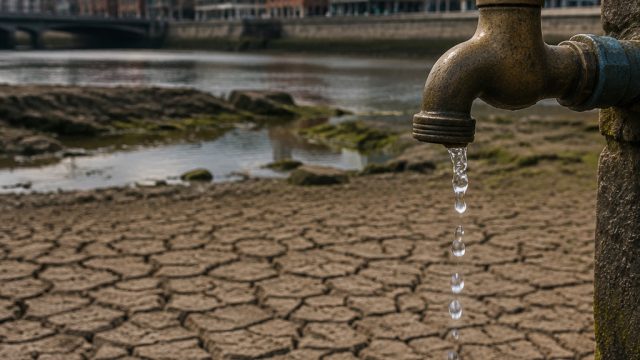
The Greater Dublin area is experiencing a significant water supply issue, with demand reaching unprecedented levels. Recent reports indicate that without immediate intervention, the region may face severe shortages, prompting discussions about drawing water from the River Shannon—a vital source that has long been protected.
The Current Water Demand Landscape
Dublin's urban sprawl has led to an explosion in water usage, driven by population growth and economic development. As the city expands, the current infrastructure struggles to keep pace with the increasing demand, threatening the availability of clean water for residents and businesses alike.
Population Growth and Urbanization
The Greater Dublin area has seen a surge in population over the last decade, growing by nearly 10% since 2011. This rapid urbanization places enormous pressure on existing water resources, leading to a critical situation where demand consistently exceeds supply.
- Population projected to reach 2 million by 2030.
- Public services strained under increased demand.
- Commercial sectors depend on reliable water access.
The Impact of Climate Change
Climate change further complicates Dublin's water supply challenges. Increased variability in weather patterns—such as prolonged droughts and intense rainfall—can disrupt traditional water sources. As the climate shifts, it becomes essential to adapt and find sustainable solutions to ensure water security.
The Case for Drawing Water from the River Shannon
The River Shannon, Ireland's longest river, has been a longstanding source of water for various regions. However, proposals to divert its water to meet Dublin's urgent needs have sparked controversy. Environmentalists warn of the long-term ecological consequences, while city planners emphasize the necessity of immediate action.
Balancing Needs and Environmental Concerns
Finding a balance between meeting Dublin's water supply needs and protecting the environment is crucial. Some potential solutions include:
- Enhancing water conservation programs in the urban area.
- Investing in infrastructure upgrades to minimize leaks.
- Exploring alternative water sources, such as desalination.
Community Engagement and Awareness
Engaging the community in sustainable practices is essential. Initiatives that promote water conservation and educate residents about the importance of preserving water resources can significantly impact. Local campaigns can encourage:
- Rainwater harvesting and usage.
- Reducing water waste through better domestic practices.
- Support for local environmental initiatives focused on water sustainability.
Immediate Actions and Long-Term Solutions
The situation demands immediate attention from both governmental and non-governmental organizations. Strategic planning and investment in long-term water solutions can mitigate the looming crisis.
Government and Policy Response
The government must prioritize water management policies that focus on sustainability. This includes:
- Implementing stricter regulations on water usage.
- Developing incentives for businesses and households to reduce consumption.
- Investing in innovative water supply technologies.
Collaboration Across Sectors
Collaboration between public entities, private sectors, and communities is vital for addressing the water crisis effectively. By working together, stakeholders can develop comprehensive plans that not only address immediate needs but also ensure a stable water supply for future generations.
Conclusion: A Call to Action
Dublin's water supply crisis is a pressing concern that cannot be ignored. With the region's population continuing to grow and climate challenges intensifying, now is the time for decisive action. Stakeholders must come together to implement sustainable practices and explore innovative solutions to ensure a reliable water supply for all Dubliners. Only through collaboration and commitment can we secure the water resources essential for the health and prosperity of our city.
