

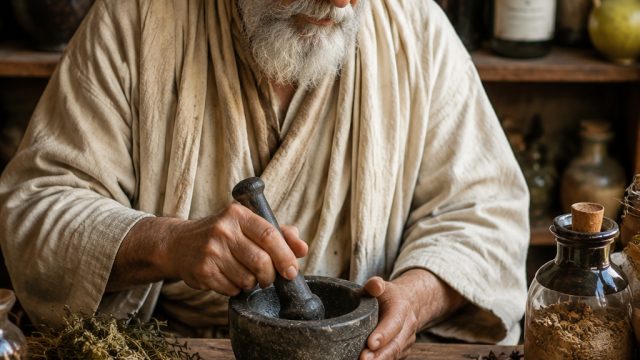
As we navigate today's sophisticated healthcare landscape, it is intriguing to look back at ancient medical practices and their profound effects on healing traditions. Recently, a compelling examination of various ancient treatments was featured, shedding light on how historical practices can inform and inspire modern medicine. This exploration is especially relevant in today's world where a blend of traditional wisdom and modern technology is increasingly appreciated.
Understanding Ancient Treatments
Many ancient civilizations developed unique medical practices that aimed to cure ailments using natural resources and spiritual beliefs. From Egyptian herbal remedies to Greek surgical innovations, these methods were often deeply intertwined with cultural and religious contexts. Today, as we face new health challenges, revisiting these ancient practices can provide valuable insights.
The Role of Spirituality in Healing
In ancient times, healing was not viewed merely as a physical process but also incorporated spiritual elements. For example:
- Shamanism: In many indigenous cultures, shamans served as healers who could channel spiritual energy to treat physical and mental ailments.
- Ancient Egyptian Medicine: The use of spells and rituals played a significant role in treatment, reflecting the belief that illness could stem from spiritual imbalance.
- Greek Philosophy: Figures like Hippocrates emphasized the importance of balancing bodily humors, showcasing an early understanding of holistic health.
This integration of spirituality with physical treatment highlights how historical practices viewed health as a comprehensive concept, which is increasingly relevant in the modern holistic health movement.
Innovations in Ancient Cancer Treatments
One of the lesser-known aspects of ancient medicine is its approach to cancer, a disease that continues to challenge modern science. Historical texts reveal various methods that ancient cultures employed in attempts to treat tumors and other malignancies:
- Herbal Remedies: Many ancient civilizations, including the Chinese and Egyptians, utilized a range of herbs with suspected anti-cancer properties, such as myrrh and frankincense.
- Physical Interventions: Surgical techniques, although rudimentary by today’s standards, were employed by ancient Greeks and Romans to remove tumors.
Examining these historical methods can provide inspiration for today's research into complementary therapies and natural treatments alongside conventional cancer care.
Lessons from Ancient Leprosy Treatments
Leprosy, once feared and misunderstood, was managed through various ancient approaches that can offer lessons for modern infectious disease treatment:
- Isolation Practices: Historically, lepers were often isolated from communities to prevent disease spread. Today, public health policies echo these concerns, albeit with a more humane approach.
- Community Support: Ancient societies often formed communities around leprosy patients, providing support and care, a practice that encourages compassion and empathy in contemporary healthcare.
Understanding how ancient societies treated leprosy can help enhance modern responses to stigmatized diseases, promoting both medical and social healing.
Modern Implications of Ancient Wisdom
As we look to the future of health and medicine, the need to integrate ancient wisdom into contemporary practices is becoming increasingly clear. The modern healthcare landscape is not just about cutting-edge technology; it is also about returning to our roots and learning from the past. Here are some ways this ancient wisdom can influence modern practices:
- Complementary Therapies: Integrating holistic approaches with modern medical practices can provide comprehensive care.
- Patient-Centered Care: Emphasizing the emotional and spiritual aspects of health can improve overall well-being and patient satisfaction.
- Research and Development: Further exploration into historical remedies may lead to the discovery of new treatments that are both effective and natural.
As society continues to evolve, understanding both ancient and modern methods is essential for advancing healthcare.
Conclusion
Ancient medicine offers a treasure trove of insights into the human condition and our approach to health. By revisiting the practices of our ancestors, we can foster a more holistic view of wellness that embraces both modern innovation and traditional knowledge. As we stand at the intersection of past and present, the lessons learned from ancient healing practices can guide us towards a healthier future, reminding us that in the pursuit of wellness, history holds valuable answers.
