

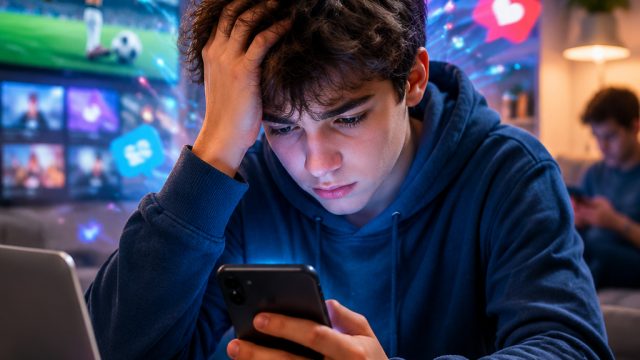
In today’s digital age, social media is an integral part of youth culture, but for adolescents facing mental health challenges, the dynamics of this engagement can be significantly different. Recent insights reveal that young individuals with conditions such as anxiety or eating disorders may immerse themselves in social media with unique behaviors that reflect their mental health status. This article delves into the nuanced relationship between mental health and social media usage among youth, highlighting why it is crucial to understand these patterns now more than ever.
Variations in Social Media Engagement
Research indicates that adolescents with mental health issues tend to spend more time on platforms like Instagram, TikTok, and Twitter. However, their interactions are often marked by different motivations and outcomes compared to their peers without such challenges. Key aspects of this engagement include:
- Increased screen time: Adolescents with internalizing disorders, such as anxiety or depression, often seek solace or escapism in social media, leading to prolonged hours online.
- Content consumption vs. creation: Youth with mental health conditions may lean toward consuming content rather than creating their own, reflecting a need for connection without the pressure of performance.
- Community and support: Many find communities that resonate with their struggles, providing a sense of belonging that is often challenging to find offline.
Understanding the Motivations Behind Usage
The reasons behind these distinct engagement styles are multi-faceted. For many young people dealing with mental health conditions, social media serves as a double-edged sword. While it can foster community, it may also exacerbate feelings of isolation or inadequacy.
Some of the motivations for increased engagement include:
- Validation: Young people often seek validation through likes and comments, which can temporarily alleviate feelings of low self-worth.
- Information sharing: Social media platforms frequently serve as venues for sharing experiences related to mental health, helping adolescents normalize their struggles.
- Escapism: Engaging with entertaining or relatable content can provide a much-needed escape from daily pressures.
The Impact of Social Media on Mental Health
While social media can provide valuable support and information, it can also have detrimental effects on mental health. Understanding these impacts is vital for parents, educators, and mental health professionals. Here are some potential consequences:
- Comparison culture: Exposure to curated, idealized versions of others’ lives can lead to negative self-comparisons, contributing to anxiety and depression.
- Cyberbullying: Unfortunately, the anonymity of the internet can lead to hostile interactions that harm self-esteem and increase feelings of isolation.
- Addiction and dependency: An overwhelming reliance on social media for validation can hinder face-to-face social skills and personal development.
Finding Balance in Social Media Usage
To mitigate the potential negative impacts, it is crucial for young people to develop a healthier relationship with social media. Strategies for achieving this balance include:
- Setting time limits: Establishing specific times for social media use can help control excessive engagement.
- Curating content: Following positive and supportive accounts can enhance online experience and foster a healthy mindset.
- Encouraging offline interactions: Promoting activities outside of social media can help build real-world connections and enhance mental well-being.
Conclusion: Why This Matters Now
As the influence of social media continues to grow, recognizing its impact on young people, particularly those with mental health conditions, is critical. Understanding these dynamics enables better support systems and interventions that can lead to healthier online and offline experiences. By addressing the unique needs of these adolescents, we can help them navigate the complexities of social media engagement while fostering resilience and positive mental health.
