

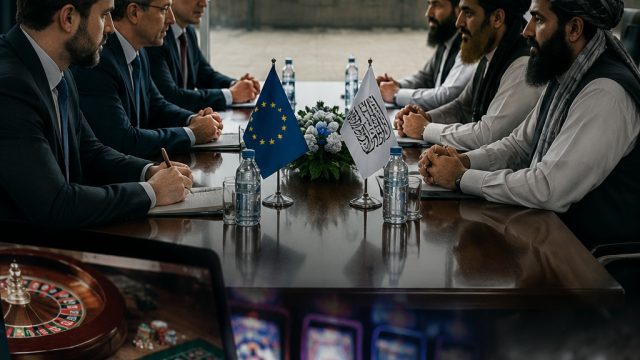
In an unprecedented move, the European Union hosted Taliban officials in Brussels this week, marking a significant shift in diplomatic engagement with the Afghan group. This meeting, the first of its kind, comes at a crucial time as the EU grapples with the complexities of Afghan deportations and the humanitarian challenges following the Taliban's return to power in Afghanistan.
The Context of the Meeting
The backdrop of these talks is rooted in the EU's ongoing struggles regarding Afghan migrants and refugees, many of whom face dire situations in their home country. With the Taliban's strict governance and reported human rights violations, the EU is under increasing pressure to manage its borders while addressing humanitarian needs.
EU's Urgent Need for Diplomatic Solutions
The need for these discussions stems from the growing number of Afghans seeking asylum in Europe, prompting EU nations to seek ways to facilitate safe deportations back to Afghanistan. The Taliban's delegation, granted visas for this meeting, aims to negotiate terms for consular access and the treatment of Afghan deportees, a critical issue for both sides.
Implications of the Talks
The implications of this dialogue extend beyond mere deportation logistics. By engaging with the Taliban, the EU is recognizing the group's authority and influence within Afghanistan, a step that some critics argue legitimizes a regime known for its strictures against freedoms and rights.
Criticism from Human Rights Advocates
- Human rights organizations have voiced strong opposition to the EU's decision to meet with Taliban officials.
- Critics argue this engagement undermines the plight of Afghan citizens facing oppression.
- There are concerns that facilitating deportations could lead to increased human rights abuses against returnees.
The Road Ahead
As the EU navigates this new chapter in its relationship with the Taliban, the outcomes of these talks could redefine European immigration policies. Furthermore, the EU's approach may influence other countries' dealings with the Taliban, setting a precedent for international relations with a regime that many still consider pariah.
Potential for Future Engagement
Future interactions between the EU and the Taliban could pave the way for broader discussions on human rights, humanitarian aid, and regional stability. However, any agreements reached must prioritize the safety and rights of Afghan citizens, balancing diplomatic relations with ethical responsibility.
Conclusion: A Complex Diplomatic Journey
The EU's decision to engage in talks with the Taliban may be a pragmatic response to a complex crisis, but it raises significant ethical and humanitarian questions. As this situation evolves, stakeholders will be watching closely to see how the EU manages its commitments to human rights while addressing the pressing realities of Afghan deportations. The coming weeks will be critical in determining the effectiveness of this diplomatic engagement and its impact on the lives of many Afghans.
