

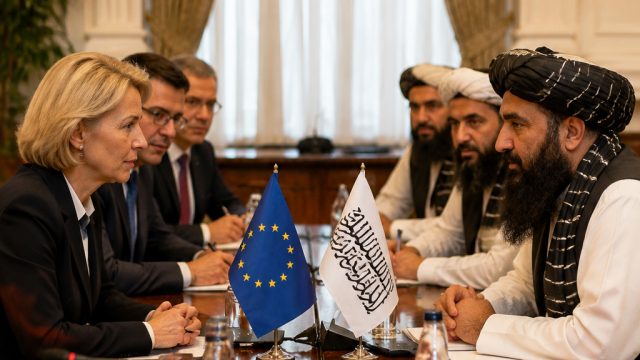
The European Union is taking a significant step in international diplomacy by holding its first closed-door discussions with representatives from the Taliban. This meeting, which took place in Brussels, is focused primarily on the issue of Afghan deportations and has sparked considerable debate about the EU's strategy in handling Afghan migrants.
The Context of the Talks
The backdrop of these discussions is the ongoing humanitarian crisis in Afghanistan, following the Taliban's return to power. As many Afghans seek refuge abroad, European nations must navigate the complexities of repatriation and the legal obligations towards these individuals. The EU's decision to engage in dialogue is a pivotal moment that highlights the urgency of the situation and the need for a coordinated approach to migration.
Why This Matters Now
With increasing numbers of Afghan migrants arriving in Europe, the pressure on EU member states is intensifying. Many countries are grappling with how to manage these flows while addressing humanitarian needs. The outcome of these talks could set a precedent for future interactions with the Taliban and influence how the EU approaches refugee policies.
What’s on the Agenda?
The primary focus of the discussions is to establish a framework for the safe return of Afghan nationals who have been denied asylum in Europe. Key topics likely include:
- Setting clear guidelines for deportation processes
- Ensuring the safety of returnees
- Addressing humanitarian concerns and basic rights for Afghan nationals
The EU must balance its commitment to human rights with the realities of its immigration policies. Critics argue that engaging with the Taliban could undermine the EU's stance on human rights. However, proponents believe that such dialogues are necessary to create pathways for managing migration more effectively.
Reactions from Member States
Responses from EU member states regarding the talks have been mixed. Countries like Germany and France have expressed cautious optimism, indicating that engagement could lead to constructive outcomes. In contrast, several Eastern European nations remain skeptical about negotiating with the Taliban, fearing it may legitimize their regime.
Public Opinion and Media Coverage
The media has been vocal about the EU's decision to engage with the Taliban, with several outlets questioning the implications of this diplomatic overture. Public opinion varies, with many citizens concerned about the potential for increased deportations while others advocate for the rights of Afghan refugees.
Moving Forward: Implications for the Future
As the EU navigates this complex diplomatic landscape, the implications of these talks extend beyond immediate repatriation issues. They may redefine the EU's approach to international relations, particularly with non-traditional governments. The discussions could also influence other countries' stances on migration and deportation policies.
Looking Ahead
In conclusion, the EU's dialogue with the Taliban marks a critical juncture in addressing the Afghan migrant crisis. As the world watches, the outcomes of these discussions will likely shape future policies and international relations. The need for a humane and effective approach to migration has never been more urgent, and how the EU proceeds could set the tone for similar situations globally.
