

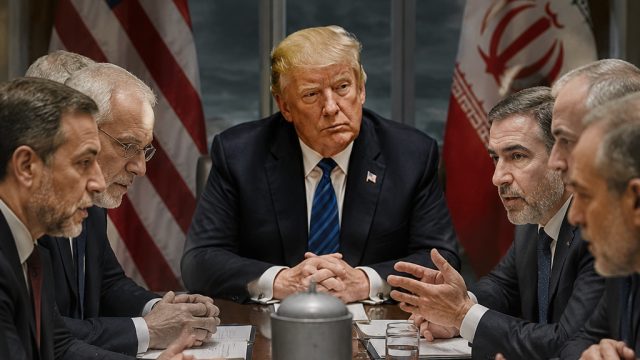
In a recent series of statements, former President Donald Trump claimed that Iran had "completely agreed" to allow inspections of its nuclear facilities. This assertion, made during a press conference, has been met with immediate skepticism from Tehran, which vehemently denies any such agreement. The conflicting narratives underscore the complexities of US-Iran relations and the broader implications for global security.
The Context of Trump's Statements
Trump's comments come on the heels of heightened tensions in the Middle East and ongoing discussions related to Iran's nuclear program. The former president highlighted the supposed breakthrough as a diplomatic victory, suggesting that it could lead to a more stable region and pave the way for renewed negotiations.
The Importance of Nuclear Inspections
Nuclear inspections are crucial for verifying compliance with international treaties and ensuring that countries do not develop weapons of mass destruction. The International Atomic Energy Agency (IAEA) plays a pivotal role in this process. Trump's claims could be seen as a bid to restore his administration's tough stance on Iran, which has been criticized for its nuclear ambitions.
Iran's Response: A Rejection of Claims
In stark contrast to Trump's assertions, Iranian officials have categorically rejected the notion that any agreement regarding inspections has been reached. They assert their sovereignty and emphasize that any inspections must respect Iran's rights as a nation. This denial raises questions about the credibility of Trump's declarations and their potential impact on diplomatic relations.
The Geopolitical Implications
- Stability in the Middle East: The uncertainty surrounding Iran's nuclear intentions could destabilize an already volatile region.
- Impact on Global Relations: These conflicting narratives may influence how other countries engage with both the US and Iran.
- Oil Prices: Any escalation in tensions could lead to fluctuations in oil markets, affecting global economies.
The Path Forward: What Should Be Done?
Given the contradictory statements from both sides, it is crucial for international actors to foster a dialogue that respects the concerns of all parties involved. Here are some potential steps forward:
- Encourage transparent communications between the US and Iran to clarify intentions.
- Reinforce the role of international organizations like the IAEA to ensure rigorous monitoring.
- Promote regional cooperation to address shared security concerns.
Conclusion: A Call for Caution
The situation surrounding Iran's nuclear program remains complex and fraught with tension. Trump's bold claims about inspections, juxtaposed with Iran's outright rejection, illustrate the precarious nature of diplomacy in the region. As the world watches, it is paramount that leaders approach this issue with caution and a commitment to dialogue. Ultimately, the stability of the Middle East and broader global security may depend on the actions taken in the coming weeks and months.
