

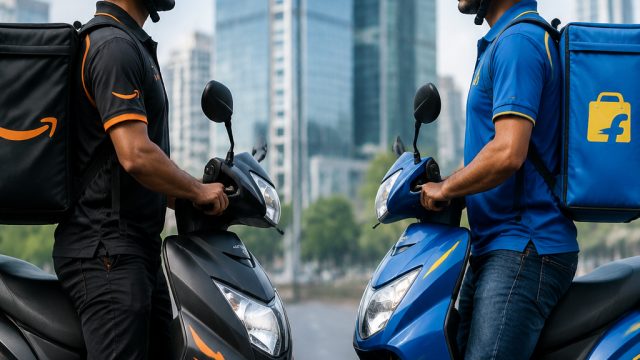
In an era defined by fast-paced consumer habits and instant gratification, the competition between giants Amazon and Flipkart for supremacy in the quick commerce market is heating up. As both companies invest heavily in logistics and technology, their rivalry is poised to reshape how consumers shop online in the coming years.
The Importance of Quick Commerce
Quick commerce, characterized by the rapid delivery of goods, is not just a trend; it's a necessity in today's fast-moving world. As consumers increasingly expect their online orders to arrive within hours, retailers are racing to enhance their delivery capabilities. This demand has led to dramatic shifts in the strategies employed by major players in the industry.
Changing Consumer Expectations
Today's consumers have little patience for long delivery times. According to recent surveys, a significant segment of shoppers prioritize speed over other factors.
Here are a few key trends driving this shift:
- Increased reliance on mobile shopping
- Demand for fresh groceries and essentials delivered quickly
- Growing preference for local and small businesses
Amazon's Aggressive Push
Amazon has long been a leader in e-commerce, but its latest strategies in the quick commerce sector highlight its commitment to maintaining that edge. The company has invested billions in enhancing its delivery network, including the establishment of new fulfillment centers and partnerships with local courier services. This not only speeds up delivery times but also expands its reach into urban areas, where competition is fiercest.
Innovations in Technology
As Amazon continues to innovate, technology plays a crucial role. The integration of advanced algorithms for inventory management and the use of AI for route optimization are just a few examples of how technology is transforming the delivery landscape. These innovations allow Amazon to fulfill orders faster and more efficiently, giving it a competitive advantage.
Flipkart's Strategic Moves
On the other hand, Flipkart is not standing still. The retailer is also ramping up its efforts to capture the quick commerce segment. With a focus on local partnerships and enhanced logistical capabilities, Flipkart aims to provide speedy service to its consumers. Recent reports suggest that the company is expanding its dark store network—local warehouses that help fulfill orders quickly—across various cities.
Customer-Centric Initiatives
Flipkart’s approach emphasizes customer satisfaction, leveraging local insights to improve service delivery. The company has also introduced features that allow customers to track their orders in real-time, enhancing the shopping experience.
The Competitive Landscape: What Lies Ahead?
The battle for quick commerce supremacy is not just a one-on-one contest between Amazon and Flipkart. New players are entering the market, offering unique propositions that may disrupt the traditional e-commerce model. Startups focusing on hyper-local deliveries and niche products pose challenges to both giants, forcing them to continuously adapt.
Future Trends
The quick commerce sector is expected to evolve rapidly, influenced by changing consumer needs and technological advancements. Here are some trends to watch:
- Increased investment in drones and autonomous delivery vehicles
- Expansion of subscription services for regular deliveries
- Enhanced personalization through data analytics
Why This Matters Now
The competition between Amazon and Flipkart in the quick commerce arena is significant not only for these companies but also for consumers and small businesses. As these giants vie for dominance, consumers stand to benefit from faster service, improved products, and better prices. Additionally, local businesses may find new opportunities as partnerships with larger retailers provide them access to broader audiences.
Conclusion
The race for quick commerce supremacy is on, and it’s a contest that will shape the future of retail. As innovations unfold and consumer expectations continue to rise, both Amazon and Flipkart must navigate this challenging landscape to secure their positions. For consumers, this rivalry promises exciting developments and a shopping experience that prioritizes speed and convenience.
