

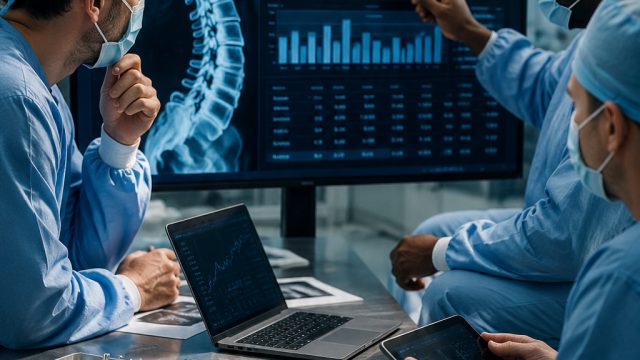
The landscape of the spine device market is undergoing significant changes, prompting seasoned professionals like Dr. Paul Slosar to rethink their investment strategies. With nearly three decades of experience as a spine surgeon and an extensive background in the device industry, Slosar's insights shed light on why adaptation is crucial in this maturing sector.
The Maturity of the Spine Device Sector
In recent years, the spine device market has seen a surge in innovations focused on enhancing existing technologies, such as screws, cages, and plates. However, as pointed out by Dr. Slosar, this market is now reaching a saturation point. The influx of venture capital into incremental improvements has led to a situation where the emphasis is shifting from creation to consolidation.
Investors’ New Perspective
Surgeons like Slosar and his peers are now pivoting their focus towards alternative investment opportunities that promise greater returns. This shift is not merely a reaction to market conditions; it reflects a broader trend in the healthcare and medical device sectors where innovation must now come with a clear value proposition.
Exploring Alternative Investment Avenues
The increasing maturity of the spine device market is prompting investors to explore various sectors within healthcare technology. Here are a few areas gaining traction:
- Digital Health Platforms: With the rise of telemedicine and digital health, platforms that facilitate patient engagement and streamline healthcare delivery are becoming hotspots for investment.
- AI and Machine Learning: Technologies that leverage artificial intelligence to enhance diagnostic processes or surgical precision are attracting significant funding.
- Wearable Health Devices: Devices that monitor health metrics in real-time are not only appealing to consumers but also present lucrative investment opportunities.
- Regenerative Medicine: Investments in therapies that aim to regenerate or replace damaged tissues rather than relying on traditional surgical methods are on the rise.
The Role of Surgeon Investors
Surgeons who have historically been involved in device development are now uniquely positioned to influence these emerging sectors. Their clinical insight combined with investment acumen allows them to identify opportunities that may not be immediately apparent to traditional investors. This dual role can lead to innovations that improve patient outcomes while also driving significant financial returns.
Market Trends Influencing Investment Decisions
As the spine device market continues to consolidate, several trends are steering investor focus:
- Regulatory Changes: Evolving regulations surrounding medical devices are affecting how new products are brought to market, compelling investors to adapt their strategies accordingly.
- Cost Efficiency Pressures: Healthcare providers are under increasing pressure to reduce costs, prompting a demand for innovative solutions that offer better value.
- Patient-Centric Innovations: There is a growing emphasis on technologies that enhance the patient experience, making usability a crucial factor in investment decisions.
Leveraging Expertise for Success
For surgeon investors, leveraging their medical expertise is essential in navigating the complexities of the healthcare market. By focusing on patient needs and the practical implications of new technologies, they can drive meaningful change while securing profitable investments.
Conclusion: Navigating the Future of Healthcare Investments
As the spine device market reaches maturity, the call for innovative solutions is louder than ever. Surgeons like Dr. Slosar exemplify how expertise in clinical settings can inform investment strategies that not only anticipate market demands but also drive the next wave of healthcare innovation. By shifting their focus and exploring new avenues, these medical professionals are well-equipped to shape the future of medical technology.
