

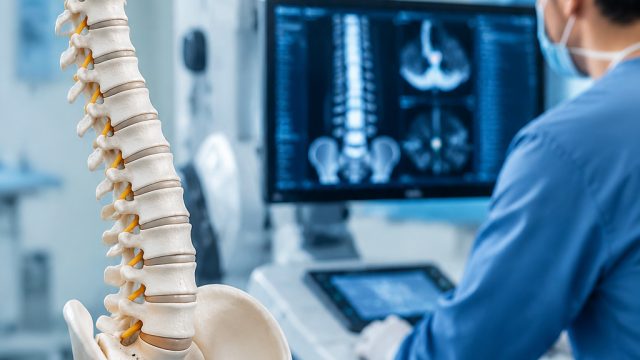
As the healthcare sector increasingly integrates advanced technologies, the complexities of spine care are emerging as a significant challenge. The recent discussions among spine specialists at Becker's 23rd Annual Spine, Orthopedic and Pain Management-Driven ASC Conference in Chicago highlighted this growing concern. While innovations such as artificial intelligence (AI) promise transformative improvements, they also introduce new hurdles that practitioners must navigate.
The Double-Edged Sword of AI in Spine Care
AI's role in spine care is multifaceted, offering potential solutions for efficiency while simultaneously complicating patient interactions and treatment decisions. Although technology can streamline processes such as diagnostic imaging and patient data analysis, it may also lead to over-reliance on automated systems.
Enhancing Diagnostics and Treatment Planning
- AI algorithms can analyze vast datasets, improving diagnostic accuracy.
- Predictive analytics help in anticipating treatment outcomes based on historical data.
- Enhanced imaging technologies provide clearer visuals for better surgical planning.
Challenges of Over-Reliance
With the rise of AI-driven tools comes the risk of diminishing human intuition in clinical settings. Healthcare providers may inadvertently place too much trust in AI recommendations, leading to potential misdiagnoses or inappropriate treatment plans. This phenomenon raises an essential question: how can healthcare professionals balance technological assistance with their medical expertise?
Patient-Centered Care in a Tech-Driven World
As technology reshapes spine care, maintaining a patient-centered approach is crucial. Healthcare leaders emphasize the need for technology to enhance, rather than replace, the human touch in patient interactions. The relationship between a spine specialist and their patient is foundational to effective treatment.
Building Trust Through Communication
One of the key aspects of patient care is communication. Spine specialists must engage patients in discussions about how technology impacts their treatment, fostering transparency. This approach not only builds trust but also empowers patients to participate actively in their healthcare decisions.
Integrating Technology with Personal Touch
Finding the right balance between technology and personal care involves integrating AI and machine learning tools in ways that complement human expertise. For instance, using AI to provide preliminary analysis can free up time for spine specialists to focus on direct patient care and consultations.
Looking Ahead: The Future of Spine Care
As the landscape of spine care continues to evolve with technological advancements, practitioners and patients alike must adapt to new realities. The integration of AI and other technologies presents both opportunities and challenges that will shape the future of orthopedic medicine.
Key Trends to Watch
- Customized Treatment Plans: The ability of AI to analyze individual patient data may lead to more tailored treatment strategies.
- Improved Surgical Techniques: Robotics and AI can enhance precision in surgical procedures, reducing recovery times.
- Patient Engagement Platforms: Utilizing technology for better communication and education will become essential in patient care.
Staying Informed and Prepared
Healthcare professionals must keep abreast of technological advancements to remain effective and provide high-quality patient care. Continuous education and training in new technologies will aid in leveraging these tools while mitigating risks associated with over-reliance.
Conclusion: Embracing Change While Upholding Standards
As spine care continues to face complexities introduced by technology, the focus must remain on improving patient outcomes and experiences. By embracing innovation while retaining the essential elements of human interaction, healthcare providers can effectively navigate the evolving landscape of spine care. Staying informed and adaptable is pivotal in ensuring that advancements in technology serve to enhance, rather than complicate, the practice of medicine.
