

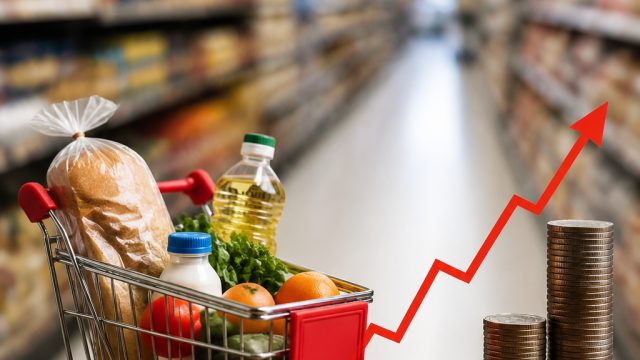
The Economic landscape is changing, and recent alerts from the Economic and Social Research Institute (ESRI) signal that consumers should brace for additional price increases later this year. As inflation persists, particularly due to escalating energy costs, understanding the implications of these shifts is vital for both individuals and businesses.
Understanding the Inflation Dynamics
Inflation, a term that has become increasingly common in everyday discussions, refers to the rate at which the general level of prices for goods and services rises, leading to a decrease in purchasing power. The ESRI's recent commentary emphasizes that higher energy prices are not just a transient issue; they have the potential to create "second-round effects" that could fuel further price increases across various sectors.
What are Second-Round Effects?
Second-round effects occur when initial price increases lead to a cascade of higher costs in other areas. For example, if energy prices rise, transportation costs for goods also increase, which in turn can lead retailers to raise prices to maintain their profit margins. Understanding this chain reaction is crucial for consumers and businesses alike.
The Importance of Staying Informed
As price increases loom on the horizon, being informed about economic trends can help mitigate financial strain. Consumers should keep a close eye on their budgets and adjust spending habits accordingly. Here are several strategies to consider:
- Monitor Essential Purchases: Focus on essential items and limit discretionary spending.
- Seek Alternatives: Look for more affordable substitutes for high-cost goods.
- Review Monthly Expenses: Evaluate your spending patterns and identify areas for potential savings.
Impact on Different Sectors
The anticipated price hikes are likely to impact various sectors differently. Here’s a closer look:
Energy Sector
With ongoing geopolitical tensions and shifts in global energy supply chains, energy prices may remain volatile. Homeowners and businesses may face increased utility bills, prompting a reevaluation of energy usage and efficiency measures.
Consumer Goods
As transportation and production costs rise, consumers can expect to see price hikes in everyday products, from groceries to household items. Companies may employ strategies such as shrinking product sizes (shrinkflation) while maintaining prices to manage costs.
Financial Services
In the finance sector, higher inflation typically leads to increased interest rates. This can affect loan repayment structures and savings rates, encouraging consumers to explore options like refinancing loans or seeking higher-yield savings accounts.
Practical Tips for Consumers
In light of potential price increases, consumers should adopt proactive measures to safeguard their finances:
- Use Budgeting Tools: Leverage finance apps and tools for tracking expenses and managing budgets.
- Invest Wisely: Consider diversifying investments in sectors that traditionally hedge against inflation, such as real estate or commodities.
- Stay Alert for Deals: With rising prices, seeking promotions and discounts becomes increasingly valuable.
Conclusion: Preparing for the Future
The ESRI's warnings about rising prices signal a pivotal moment for consumers and businesses. With inflation likely to continue its upward trajectory, staying informed and adaptable is essential. By understanding the underlying factors driving these changes and proactively managing financial habits, individuals can navigate these economic challenges more effectively.
As a community focused on finance technology and innovation, abrenio.com encourages readers to engage with these insights and explore tools that help manage personal finances in an increasingly complex economic landscape. Stay informed, stay prepared—your financial future may depend on it.
