

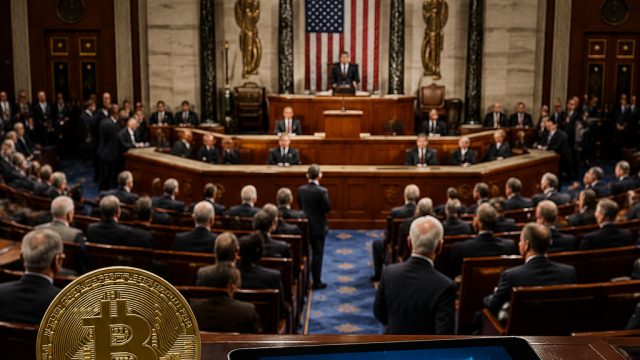
The U.S. House Financial Services Committee is currently engaged in pivotal discussions concerning the possibility of granting direct payment access to cryptocurrency and fintech firms from the Federal Reserve. This move is viewed as a significant step in integrating digital assets into the formal financial system, providing immediate implications for both the industry and consumers.
The Importance of Direct Fed Access
As technological advancements continue to reshape the financial landscape, the prospect of direct access to Federal Reserve payment systems for crypto and fintech companies is revolutionary. Currently, only banks and certain financial institutions have this privilege, leaving many innovative firms on the sidelines. By fostering a more inclusive payment ecosystem, the committee aims to enhance competition and efficiency in the market.
Why Now Matters
In the wake of increased interest in digital currencies and related technologies, the timing of this discussion is critical. Cryptocurrencies have gained traction among consumers and investors alike, prompting a need for regulatory frameworks that support innovation while ensuring consumer protection. Direct access to Fed payment systems could facilitate faster transactions, reduce costs, and increase the usability of digital assets in everyday transactions.
Industry Reactions to the Proposal
The proposal has elicited a range of responses from industry experts and stakeholders. Proponents argue that direct access to Federal Reserve payment systems would mark a transformative change in how fintech and cryptocurrency operations run. These changes could lead to improved financial inclusion, especially for markets underserved by traditional financial services.
Potential Benefits
- Increased Efficiency: Direct access could streamline processes, enabling quicker transaction times.
- Cost Reduction: By cutting out intermediaries, costs associated with transactions could significantly decrease.
- Enhanced Competition: With more players in the game, consumers may benefit from better services and lower fees.
- Financial Inclusion: Access to Fed services can empower emerging fintech firms to serve a broader audience.
Challenges Ahead
Despite the potential advantages, several challenges remain. Regulatory hurdles are at the forefront, as lawmakers must navigate existing legal frameworks to accommodate new technologies. Additionally, concerns regarding security, fraud, and the integrity of the financial system must be addressed before implementing any changes.
Concerns from the Financial Sector
Some financial institutions express skepticism about the implications of granting fintech and crypto firms direct access to Fed systems. These concerns include:
- Risk of Fraud: Increased access may lead to potential misuse of the systems.
- Market Stability: Rapid changes may disrupt established financial practices.
- Consumer Protection: Ensuring robust protections for users is vital as new players enter the market.
The Road Ahead
As the House panel continues its discussions, the outcomes will likely shape the future of how digital currencies and fintech companies interact with the Federal Reserve. The direction taken could redefine the basic principles of financial transactions for both consumers and businesses, making it crucial for stakeholders to stay informed on developments.
Looking Towards the Future
The integration of cryptocurrencies into mainstream financial systems could herald a new era of financial technology. With the potential for enhanced efficiency and inclusion, the discussions within the U.S. House represent just the tip of the iceberg in a much larger conversation about the future of finance.
Conclusion
In conclusion, the ongoing debate in the U.S. House Financial Services Committee regarding direct access to Fed payment systems for crypto and fintech firms is crucial for the future of financial innovation. As technology continues to advance rapidly, the regulatory landscape must also evolve to meet the needs of this changing environment. Stakeholders should monitor these developments closely, as the implications may resonate throughout the financial sector and beyond.
