

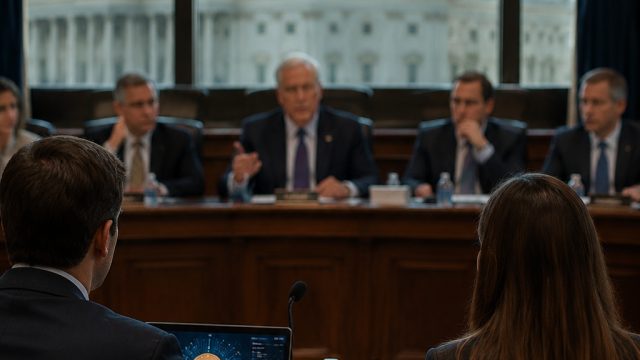
In a pivotal move reflecting the evolving landscape of finance, the U.S. Congress has initiated discussions regarding the Federal Reserve's initiative to streamline access to its master account. This consideration is crucial as it could potentially allow cryptocurrency and fintech companies direct connections to the central bank's payment systems, an idea that is gathering momentum in light of current digital transformation trends.
The Context: Fintech and Cryptocurrency's Growing Influence
The rapid ascent of fintech and cryptocurrency has reshaped the financial ecosystem, pushing traditional banking structures to adapt. With the rise of digital currencies and innovative payment platforms, Congress is recognizing the need to integrate these disruptive technologies into the mainstream financial infrastructure to enhance efficiency and security.
Understanding the Federal Reserve's Master Account
The Federal Reserve operates a centralized payment system that facilitates transactions among financial institutions. The master account represents a bank’s relationship with the Fed and is critical for conducting transactions. Currently, only federally insured banks and certain government entities have access to these accounts, which raises the question: should fintech and crypto firms be permitted similar access?
Why This Matters Now
As the digital finance sector expands rapidly, Congress's contemplation of streamlining access signifies a potential shift in regulatory approach. Here are some key reasons why this development is essential:
- Enhanced Financial Inclusion: Allowing fintech and crypto firms access could lead to more inclusive financial services, offering unbanked populations better financial tools.
- Increased Security: Integrating regulated fintech companies into the central banking system could provide enhanced security and oversight, reducing risks associated with rogue operators.
- Innovation Stimulation: By granting access, Congress could foster an environment ripe for innovation, encouraging new solutions in payment processing and financial transactions.
The Current Legislative Landscape
The discussions in Congress come at a time when regulatory clarity is sought by many industry players. The sentiment is that a clear framework is essential not only for compliance but also for encouraging investment in the sector. The evaluation process covers multiple aspects:
Potential Economic Impacts
Access to the Fed's payment systems could significantly alter the operational dynamics of fintech and cryptocurrency firms. Some anticipated economic impacts include:
- Cost Reduction: Direct access could minimize transaction costs by eliminating intermediaries.
- Transaction Speed: Faster settlement times could be achieved, making transactions more efficient.
- Market Stability: Greater oversight may help to stabilize the volatile cryptocurrency markets.
Addressing Regulatory Challenges
Despite the potential benefits, there are regulatory challenges that need to be addressed. Key considerations include:
- Risk Management: Ensuring that fintech companies adhere to rigorous risk management practices is essential to prevent systemic risks.
- Cybersecurity: As digital platforms are targets for cyber threats, robust cybersecurity measures must be in place to protect users and the financial system.
- Consumer Protection: Safeguarding consumer interests should remain a priority in any new legislative approach.
The Future of Financial Technology
The ongoing discussions in Congress signal a critical moment for the future of financial technology and innovation within the U.S. economy. Stakeholders from various sectors are closely watching how the decisions made will impact their operations and the broader financial landscape.
As we look forward, the possibility of integrating fintech and cryptocurrency companies into the Federal Reserve’s payment systems could pave the way for a more modern and efficient banking ecosystem. The outcomes of these discussions will undoubtedly shape the trajectory of innovation and competition in the financial services sector for years to come.
Conclusion: A Transformative Move
In conclusion, Congress's deliberations on granting fintech and cryptocurrency firms access to the Federal Reserve's master account system represent a transformative moment that could redefine the financial landscape. With the right frameworks in place, this initiative has the potential to enhance financial inclusion, stimulate innovation, and foster a robust, secure financial environment.
