

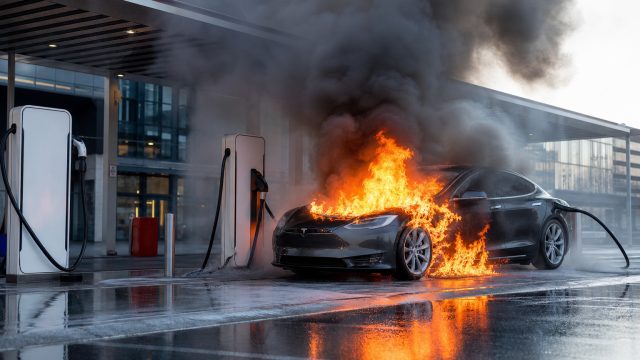
In a concerning incident that occurred on June 24, an electric vehicle caught fire while connected to a charging station at a local grocery store's parking lot in Hope, British Columbia. This event has raised significant safety concerns among electric vehicle (EV) owners and the general public, prompting discussions about the inherent risks associated with charging electric vehicles.
Details of the Incident
The District of Hope Fire Department responded swiftly to the emergency call reporting the vehicle fire. Arriving promptly, firefighting crews managed to contain the blaze before it could spread to nearby structures, including a motel. Fortunately, no injuries were reported, but the event has left residents and EV users contemplating the safety implications of charging their vehicles in public places.
Understanding the Risks
While electric vehicles are celebrated for their environmental benefits and potential to reduce our dependency on fossil fuels, incidents like these highlight the need for greater awareness regarding fire safety and prevention measures associated with EV charging. Here are some key considerations:
- Battery Chemistry: EV batteries are powerful but can also be susceptible to overheating, especially if there are manufacturing defects or improper charging practices.
- Charging Equipment: The quality and condition of charging stations can significantly affect safety. Regular maintenance and inspections are essential to prevent malfunctions.
- Fire Response Protocols: Emergency services must be equipped with the knowledge and tools necessary to handle EV fires, which can behave differently than traditional vehicle fires.
What This Means for EV Owners
For those who own or are considering purchasing an electric vehicle, this incident serves as a stark reminder of the importance of vigilance when it comes to charging practices. Here are some recommendations for EV owners:
Safe Charging Practices
- Use Certified Stations: Always opt for well-known and certified charging stations that adhere to safety standards.
- Monitor Charging: Whenever possible, monitor your vehicle while it charges to catch any irregularities early.
- Avoid Overcharging: Disconnect your vehicle once it reaches a full charge to prevent potential overheating.
The Importance of Community Awareness
Communities must also engage in discussions about EV safety, particularly as the number of electric vehicles on the road continues to rise. Local governments and organizations can play a pivotal role in fostering awareness and providing resources. Consider these initiatives:
- Education Campaigns: Host workshops or seminars that inform the public about electric vehicle fire prevention and safety measures.
- Regular Inspections: Implement routine checks on public charging stations to ensure they are in optimal condition.
- Emergency Response Training: Ensure that local fire departments are trained to handle EV fires effectively.
Looking Ahead: The Future of EV Safety
As electric vehicles become a more common sight on our roads, addressing safety concerns associated with charging is critical. Manufacturers are constantly improving battery technology and safety features; however, user awareness and community preparedness remain equally important. The Hope incident serves as a catalyst for discussions surrounding the safe implementation of EV infrastructure, ensuring that as we embrace this technology, we do so with safety at the forefront.
Conclusion
The recent electric vehicle fire at a charging station underscores the importance of safety in the rapidly evolving landscape of electric transportation. By adopting safe charging practices, encouraging community engagement, and strengthening emergency response capabilities, we can help mitigate risks and promote a safer environment for all EV users. As we look to the future, these proactive measures will be vital in fostering trust and confidence in electric vehicle technology.
