

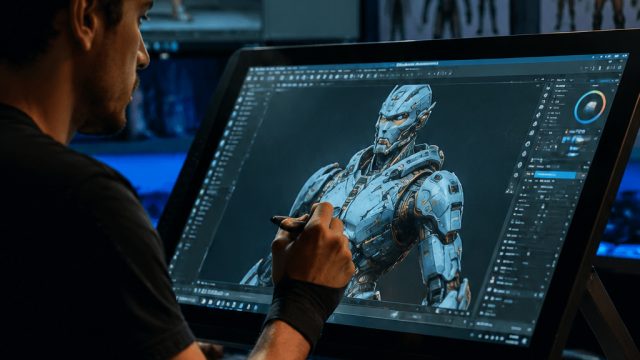
In today's fast-paced digital landscape, animation has become a cornerstone of storytelling across multiple platforms. With advancements in technology, creators are continually pushing the boundaries of what is possible in animated media. This article delves into the latest innovations in animation, their significance in shaping narratives, and what the future holds for this dynamic field.
The Evolution of Animation Techniques
Historically, animation was a labor-intensive process that required immense creativity and technical skill. However, the introduction of advanced software and tools has revolutionized how animated content is produced. From traditional hand-drawn methods to cutting-edge 3D rendering, the evolution of animation techniques reflects broader trends in technology and consumer expectations.
From 2D to 3D: A Paradigm Shift
The transition from 2D to 3D animation has been one of the most significant shifts in the industry. 3D animation allows for more realistic character designs and environments, which greatly enhance the viewer's experience. Films and games that utilize 3D animation are now able to create immersive worlds that engage audiences like never before.
Real-Time Rendering and Its Implications
Real-time rendering technology, which allows animations to be processed instantly, has opened new avenues for interactive storytelling. For instance, video games now rely heavily on real-time rendering to provide seamless gameplay experiences. This shift not only improves the quality of visual effects but also enhances user engagement, leading to higher retention rates in gaming.
Key Innovations Shaping the Animation Landscape
Several key innovations are currently shaping the animation landscape, making it essential for creators and studios to stay updated with these trends. Here are some of the most impactful advancements:
- Artificial Intelligence in Animation: AI is being used to automate certain tasks, from in-betweening frames to generating realistic character movements. This speeds up the production process and allows artists to focus on more creative aspects.
- Motion Capture Technology: This technology captures the movement of live actors and translates it into animated characters. It has become a staple in both film and video game production, enhancing realism in animation.
- Augmented Reality (AR) and Virtual Reality (VR): As AR and VR technologies become more mainstream, they are presenting unique opportunities for animated content. These mediums require new storytelling methods that integrate animation with user interaction.
The Role of Animation in Popular Culture
Animation is not just confined to traditional media; it has permeated various aspects of popular culture, influencing everything from advertising to social media. The rise of platforms like TikTok and YouTube has seen a surge in animated content, appealing to younger demographics who prefer quick, engaging stories.
Animated Series and Their Impact on Viewership
Animated series have gained immense popularity, often outshining live-action shows. With the ability to tackle complex themes in an accessible way, animated narratives resonate deeply with audiences. Series such as Rick and Morty and BoJack Horseman have not only captured high viewership but have also sparked discussions around serious topics, showcasing the power of animation in contemporary storytelling.
The Integration of Animation in Marketing Strategies
Brands are increasingly adopting animated content within their marketing strategies. Animated ads can simplify complex messages, making them more digestible for consumers. Engaging animations are more likely to stick in viewers' minds, leading to improved brand recognition and loyalty.
Challenges and Future Directions
Despite the numerous advancements, the animation industry faces challenges such as high production costs and the need for skilled artists. As the demand for high-quality animation continues to grow, there is a pressing need for educational programs to train the next generation of animators.
Sustainability in Animation Production
As environmental concerns rise, the animation industry is beginning to consider sustainable practices. From using eco-friendly materials to reducing energy consumption during production, many studios are looking for ways to minimize their carbon footprint.
What Lies Ahead for Animation?
The future of animation is bright, with ongoing innovations promising to enhance viewer experiences further. As technologies like machine learning and enhanced graphics continue to evolve, we can expect to see even more sophisticated animation techniques that push creative boundaries.
Conclusion
Animation is at a pivotal point in its evolution, shaped by technological advancements that are redefining how stories are told. As the industry continues to embrace new tools and methods, it holds the potential to engage audiences in fresh and exciting ways. For creators, staying informed about these changes is crucial to harnessing the full power of animation in their storytelling endeavors. The journey of animation is far from over, and the next chapters promise to be thrilling.
