

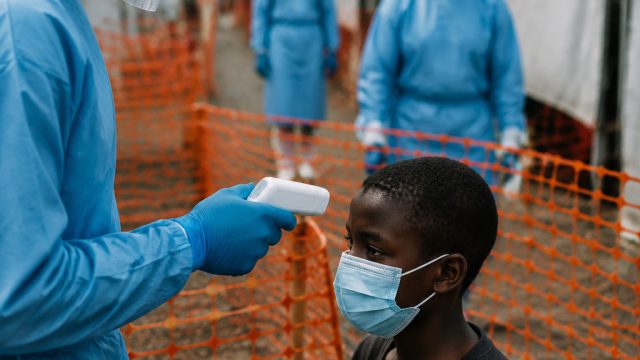
The Democratic Republic of Congo is grappling with a severe Ebola outbreak, which has surged past the harrowing milestone of 1,000 cases within the first month. This alarming statistic has raised urgent concerns among health officials and the World Health Organization (WHO), as the situation threatens to spiral further out of control.
The Current State of the Outbreak
As of now, the total number of reported Ebola cases in the DRC has reached an unprecedented level. This surge highlights significant challenges in containing the virus, which has already claimed over 254 lives. The escalating numbers come amid a global health landscape still grappling with the aftermath of the COVID-19 pandemic, prompting health experts to call for immediate action and resources.
Understanding the Virus
Ebola virus disease (EVD) is a severe and often fatal illness affecting humans and nonhuman primates. The virus is transmitted through direct contact with bodily fluids of infected individuals or animals. The rapid spread in the DRC underscores the need for heightened surveillance, rigorous testing, and effective community health measures.
Challenges Faced by Health Authorities
The ongoing outbreak poses multiple challenges for public health officials. Key issues include:
- Inadequate Resources: Many health facilities are overwhelmed and lack essential supplies to combat the outbreak.
- Public Hesitancy: Misinformation and fear within communities hinder vaccination efforts.
- Health Worker Safety: Frontline health workers are at a high risk of infection, as evidenced by recent cases within this group.
The Role of Vaccination
Vaccines play a crucial role in controlling the spread of Ebola. The WHO has mobilized resources to ensure that vaccination campaigns are prioritized in high-risk areas. However, vaccine hesitancy among the populace remains a significant barrier. Health authorities are working diligently to educate communities about the benefits of vaccination, as timely immunization can save lives and help bring the outbreak under control.
International Response and Support
Global health organizations, including the WHO and UNICEF, are stepping up their efforts to respond to the crisis. They are providing technical support, vaccines, and medical supplies while also working to strengthen health systems in the region. Partnerships between local governments and international bodies are essential for enhancing the capacity to manage this outbreak effectively.
Community Engagement and Education
Engaging communities in understanding the risks associated with Ebola is critical. Educational programs aimed at dispelling myths and encouraging safe health practices are vital components of any response strategy. By empowering local populations with knowledge and resources, the chances of controlling the outbreak increase significantly.
Conclusion: A Call to Action
The recent surge of Ebola cases in the Democratic Republic of Congo is a stark reminder of the vulnerabilities within global health systems. It underscores the need for prompt action, increased funding, and coordinated efforts to prevent further loss of life. As the world watches, the emphasis must remain on mobilizing resources, educating communities, and ensuring that effective health measures are in place to mitigate this crisis. The international community must unite to support Congo in its battle against Ebola, ensuring that swift and effective strategies are implemented to curb the outbreak and protect public health.
