

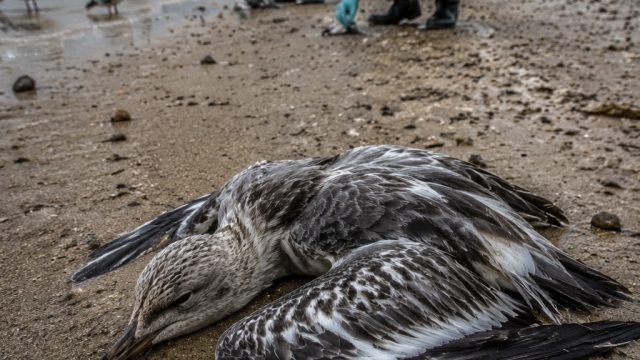
Unexpected Landfall of Seabirds Sparks Concern for Ecosystems
In a surprising turn of events, scientists in Western Australia have reported sightings of brown skuas and giant petrels—two seabird species that rarely make landfall. This unusual occurrence has raised significant alarm regarding the health of local ecosystems and wildlife.
Understanding the Rare Seabird Visitors
Brown skuas and giant petrels are typically found in the cold, remote regions of the Southern Hemisphere. Their presence on the Australian coast is not just a curiosity; it suggests potential ecological shifts that could have far-reaching consequences.
Why Are These Sightings Unusual?
- Migration Patterns: These seabirds generally migrate in response to specific climatic conditions. Their unexpected appearance might indicate broader environmental changes.
- Temperature Anomalies: Warmer ocean temperatures could be altering prey availability, leading to these birds venturing further north than usual.
- Habitat Disruption: Human activities and climate change can disrupt natural habitats, forcing wildlife to adapt in unexpected ways.
The Broader Implications for Wildlife
The arrival of these seabirds coincides with growing concerns over wildlife health, particularly in light of recent H5N1 bird flu cases reported in Australia. While scientists initially feared these sightings could indicate bad news for wildlife, the truth is more complex. The interconnection between avian species and ecosystem health is critical.
Potential Risks of H5N1 Virus Spread
The H5N1 virus, known for its severe impact on avian populations, poses a significant threat. The detection of this virus in migratory seabirds could lead to:
- Increased Mortality Rates: Affected bird species may suffer severe population declines.
- Risk to Other Wildlife: The contagion can spread to other species, disrupting the entire food web.
- Impacts on Human Activities: Industries reliant on wildlife, such as tourism and fishing, may face challenges.
Monitoring and Mitigation Efforts
As researchers study the implications of these seabird arrivals, proactive measures are essential. Monitoring wildlife health and implementing conservation strategies can help mitigate the potential impacts of these changes.
Key Strategies for Conservation
- Enhanced Surveillance: Increased monitoring of seabird populations and their health can aid in early detection of disease outbreaks.
- Public Awareness Campaigns: Educating communities about the importance of local wildlife and ecosystem health can foster greater involvement in conservation efforts.
- Collaboration with Scientists: Engaging researchers in ongoing studies can ensure informed decision-making regarding wildlife management.
Conclusion: A Call to Action
The recent sightings of brown skuas and giant petrels in Western Australia underscore the need for heightened awareness and action regarding wildlife health. As climate change and human activities continue to reshape our ecosystems, it is imperative that we remain vigilant. Scientists' concerns over the implications of these seabird appearances provide a crucial reminder of our interconnectedness with nature. By prioritizing conservation efforts and fostering a deeper understanding of our environment, we can help ensure the health of our ecosystems for generations to come.
