

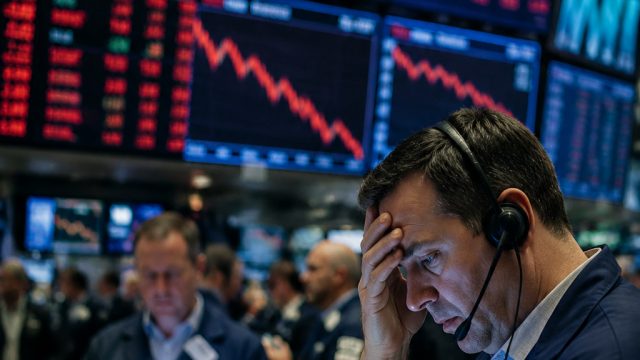
In a startling development, the US technology sector is experiencing a significant sell-off, raising alarm bells among investors and market analysts alike. With stock futures indicating a potential drop of 2.7% on the Nasdaq, this downturn not only affects tech giants but also casts a shadow over global financial markets.
Understanding the Current Landscape of Tech Stocks
Recent reports have unveiled a troubling trend as US stock valuations, particularly in the tech sector, face mounting pressures. Companies that once thrived on investment hype are now contending with uncertainties surrounding interest rates and the sustainability of their growth. The news that SpaceX may seek to raise up to $20 billion through a bond offering has further fueled concerns, highlighting the unusual borrowing strategies of firms heavily reliant on cash flow.
The Impact of Interest Rates on Tech Investments
As the Federal Reserve signals possible interest rate hikes, investors are beginning to reassess their positions in the tech space. Higher borrowing costs could hinder the expansion and operational scalability of tech companies, especially those involved in the burgeoning artificial intelligence sector.
- Valuations Under Scrutiny: AI stocks have seen their valuations soar, but as borrowing becomes more expensive, the feasibility of maintaining these valuations is in question.
- Market Sentiment Shift: Investors are pulling back, leading to increased volatility in tech stocks that were previously considered 'safe bets.'
- Debt-Driven Growth: Companies like SpaceX, traditionally viewed as innovators, are changing their financing strategies, which may not sit well with risk-averse investors.
Global Markets React to US Tech Trends
The ramifications of the US tech sell-off are not confined to American markets. Global shares are responding with a ripple effect, as investors worldwide adjust their portfolios in light of growing uncertainties.
International Market Responses
As Wall Street braces for a challenging open, global indices are also feeling the pressure. Investors in Europe and Asia are reflecting caution, which could lead to a broader market downturn.
- European Markets: Major European indices have begun to mirror the downward trend seen in the US, with analysts predicting further declines if the US sell-off continues.
- Asian Shares: Asian markets are also reacting, with early trading suggesting a negative sentiment lingering from Wall Street's performance.
- Emerging Markets: The concerns raised by the tech sell-off may lead to capital outflows from emerging markets, affecting their growth trajectories.
Investor Strategies During Market Volatility
In times of market turbulence, developing a robust investment strategy becomes essential. Here are several approaches investors might consider to mitigate risks during this period of uncertainty:
- Diversification: Expanding portfolios to include a mix of asset classes can help cushion against volatility in tech stocks.
- Short Selling Opportunities: For some investors, the current downturn presents opportunities to profit from falling stocks through short selling strategies.
- Focus on Fundamentals: Investors should prioritize companies with strong balance sheets and sustainable business models, which may weather economic storms better than their more speculative counterparts.
Monitoring Economic Indicators
As the situation unfolds, keeping an eye on key economic indicators will be crucial. Factors such as inflation rates, consumer spending, and employment figures will play critical roles in shaping market trajectories moving forward.
Conclusion: Preparing for Market Challenges
The ongoing sell-off in US tech stocks serves as a stark reminder of the inherent risks in modern investments. As uncertainty looms regarding interest rates and the future of AI-driven growth, investors must remain vigilant. By adopting prudent strategies and staying informed, individuals can navigate this turbulent landscape effectively. In this fast-evolving market, those who prepare for volatility may emerge stronger when stability returns.
