

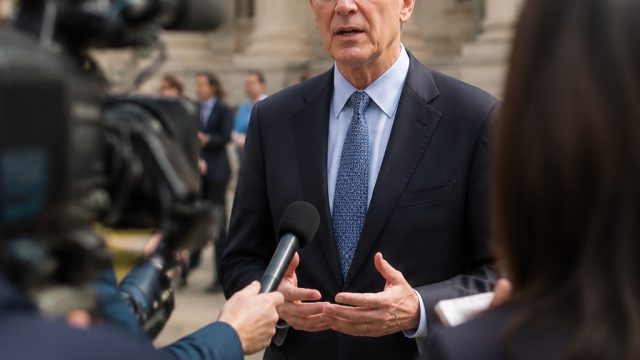
In a significant turn of events, the U.S. Department of Justice (DOJ) has decided to withdraw subpoenas that sought to compel reporters from the Washington Post and the Wall Street Journal to testify before a grand jury. This decision highlights the ongoing tensions surrounding press freedom in America, especially in an era where media scrutiny and governmental accountability are more critical than ever.
Background on the Subpoenas
The subpoenas were issued as part of a broader investigation into national security leaks. The DOJ's initial move to summon these journalists raised eyebrows across the nation, with many viewing it as an infringement on the First Amendment rights that protect a free press. The implications of compelling reporters to disclose their sources could have set a troubling precedent for journalism as a whole.
Why the Withdrawal Matters Now
The decision to retract the subpoenas comes at a time when the public's trust in media institutions is already strained. The backlash against the DOJ's action was swift, with numerous advocacy groups and journalists condemning the move as an attack on press freedoms. This situation underscores a pivotal moment in the ongoing debate about governmental transparency, journalistic integrity, and the rights of reporters.
Press Freedom Under Threat
Press freedom is a cornerstone of democracy, enabling journalists to investigate and report on governmental actions without fear of reprisal. The DOJ's initial push to compel testimony from respected news outlets sparked alarm among media professionals, who argued that such moves could lead to self-censorship and stifle critical reporting.
Public Response and Advocacy
- The American Civil Liberties Union (ACLU) and other organizations have vocally opposed the subpoenas.
- Journalists and commentators expressed concern over the implications for investigative reporting.
- Many citizens joined the conversation, emphasizing the need for robust protections for reporters.
Potential Future Implications
The retreat from these subpoenas may represent a temporary win for advocates of press freedom, but it also raises questions about the future of journalistic autonomy. Will there be further attempts by the government to exert pressure on the media? The outcome of this situation could serve as a bellwether for future interactions between governmental institutions and the press.
The Role of Technology in Journalism
As technology continues to evolve, so too does the landscape of journalism. With the rise of digital platforms and social media, traditional news outlets face unprecedented challenges, including disinformation campaigns and the need for rapid response to breaking news. The DOJ's actions and the subsequent withdrawal of subpoenas may well influence how journalists navigate these challenges in the future.
Encouraging Dialogue and Further Protection
This incident also opens the door for broader discussions about journalistic protections in the digital age. Legal experts and policymakers may need to consider new frameworks to safeguard reporters from similar pressures and ensure that they can operate freely and independently.
Conclusion: A Critical Moment for Press Freedom
The DOJ's withdrawal of subpoenas targeting journalists from the Washington Post and WSJ is a crucial moment in the ongoing battle for press freedom in the United States. As we reflect on the importance of a free press as a watchdog of democracy, the implications of this event should energize both advocates and the general public to continue championing the rights of journalists to inform and educate without fear of retribution. The challenges are significant, but the principles of transparency and accountability in journalism must remain at the forefront of our societal values.
