

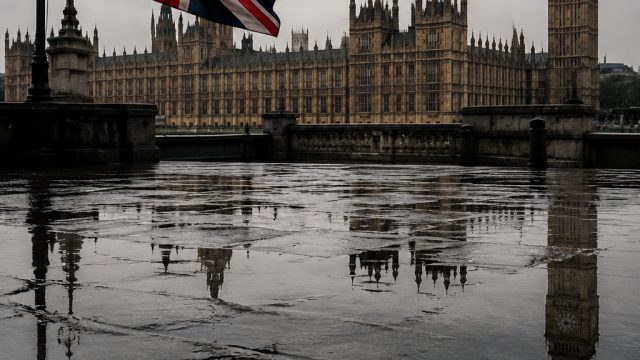
In recent months, Britain has found itself in a tumultuous political landscape characterized by a growing sense of discontent among its citizens. As the nation grapples with economic challenges, social divisions, and the ongoing repercussions of Brexit, questions about its governance have taken center stage. Are the structures that uphold British democracy under threat? This article delves into the current state of governance in the UK, offering insights into the factors at play and what they mean for the future.
Understanding the Governance Landscape
The foundation of any stable government relies on its ability to effectively meet the needs of its citizens. In Britain, however, this foundation seems increasingly fragile. Public trust in politicians and institutions has waned, leading to a sense of instability that many argue could render the country ungovernable.
The Erosion of Trust
One of the most pressing issues facing the UK today is the erosion of trust in its political leaders. The fallout from the Brexit referendum continues to resonate, with many feeling disillusioned by the promises made during the campaign. The failure to deliver on these promises has contributed to a growing skepticism about the government's ability to govern effectively.
- Increased scrutiny of political decisions
- Widespread protests against government policies
- Calls for greater transparency and accountability
Economic Challenges and Social Unrest
The economic repercussions of the pandemic have exacerbated existing inequalities in Britain, leading to heightened social unrest. Rising inflation, job insecurity, and the cost-of-living crisis have left many citizens feeling neglected and angry. This frustration is manifesting in various forms, from protests to increased support for fringe political parties.
The Role of Media and Public Discourse
The media plays a crucial role in shaping public perception and discourse surrounding governance issues. With the rise of digital platforms, information flows rapidly, allowing citizens to engage with political content in real-time. However, this also means that misinformation can spread quickly, complicating the public's understanding of complex governance issues.
Challenging Narratives
As media outlets compete for attention, sensationalized narratives often overshadow nuanced discussions about the realities of governance. This environment can lead to a skewed understanding of the effectiveness of government actions, further fueling public discontent.
- The impact of social media on public opinion
- Challenges faced by traditional news outlets
- The importance of critical media literacy
What Lies Ahead for Britain's Governance?
As the landscape continues to evolve, the question remains: what does the future hold for governance in Britain? Experts suggest a need for reform and innovation in how the government engages with its citizens. This could include greater efforts to address public concerns and improve transparency.
The Path to Rebuilding Trust
To navigate the current crisis, British leaders must focus on rebuilding trust with their constituents. This may involve a combination of policy reform, improved communication strategies, and a commitment to listening to the public's needs.
- Engaging in open dialogues with citizens
- Implementing policies that directly address economic disparities
- Enhancing transparency in political processes
Conclusion: Moving Forward
As Britain stands at a crossroads, the importance of effective governance cannot be overstated. The current challenges present an opportunity for leaders to reassess their strategies and prioritize the needs of their citizens. While the notion of being 'ungovernable' may seem daunting, it also serves as a call to action for policymakers to innovate and adapt in an ever-changing political landscape. The path forward requires concerted efforts to reconnect with the public, address pressing issues, and rebuild the trust that is vital for a stable and effective government.
