

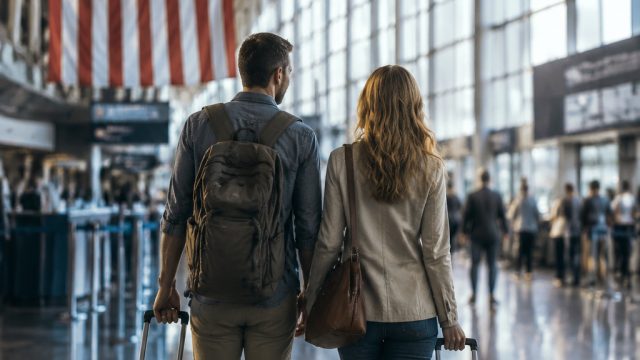
The July 4 weekend has long been a hallmark of summer travel in the United States, and recent insights from Marriott International's CEO suggest that this year’s spending trends could indicate a strong rebound in the tourism sector. With travel and leisure activities resuming robustly, consumers appear eager to take advantage of the holiday.
Significant Rise in Travel Spending
According to Marriott's CEO, Anthony Capuano, various indicators point to a substantial increase in traveler expenditure over the July 4 weekend. The hospitality giant has reported higher occupancy rates across its properties, reflecting a growing appetite for travel as families reconnect after years of pandemic restrictions.
Consumer Confidence Fuels Travel
As vaccination rates increase and COVID-19 restrictions ease, Americans are more willing to spend on experiences rather than goods, marking a shift in consumer behavior. This renewed confidence is driving up hotel bookings and dining expenditures, vital for a successful holiday weekend.
- Increased hotel occupancy rates
- Higher spending on dining and entertainment
- Return of business travel alongside leisure
Tourism’s Broader Impact on the Economy
The resurgence of travel spending during this holiday period could also have wider implications for the economy. The tourism sector is closely tied to various industries, from hospitality to transportation and retail. An increase in travel not only benefits hotels but also boosts local economies.
Regional Highlights in Travel Trends
Different regions are experiencing varying levels of travel enthusiasm:
- West Coast: Popular tourist destinations in California and Washington have seen a surge in bookings, with travelers flocking to national parks.
- East Coast: Cities like New York and Washington, D.C. are reviving with both leisure and business travelers, thanks to numerous events coinciding with the holiday.
- Midwest: Family-oriented destinations in the Midwest are drawing in visitors for outdoor activities and festivals.
The Role of Technology in Modern Travel
Technology continues to reshape how travelers plan and book their trips. From mobile apps offering instant bookings to platforms providing personalized travel experiences, the industry is embracing innovation. Notably, the rise of virtual travel assistants and AI-driven recommendations enhances the planning process, making it more efficient for consumers.
Online Booking Platforms and Their Influence
Online travel agencies (OTAs) have become indispensable in the current landscape. They not only streamline booking processes but also offer competitive pricing that appeals to budget-conscious travelers. This access to information empowers consumers to make informed choices about their travel plans, further driving the surge in spending.
Conclusion: A Bright Future for Travel
As the July 4 weekend approaches, the strong indicators of recovery in travel spending suggest an optimistic outlook for the tourism industry. The combination of increased consumer confidence, enhanced travel technology, and a booming hospitality sector signifies that the industry is well on its way to bouncing back. For travelers, this means more options, better deals, and a vibrant summer of exploration ahead.
