

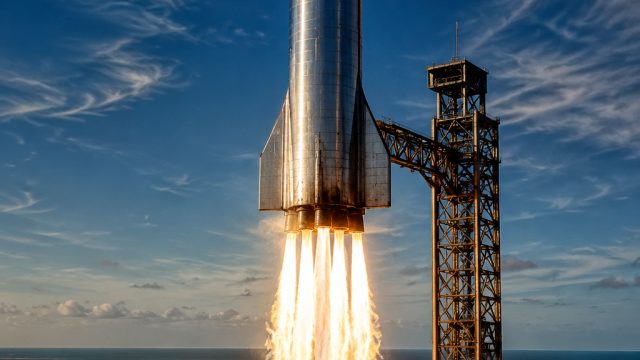
SpaceX continues to push the boundaries of space exploration with its recent test flight of the "Starfall" cargo capsule. Launched from Florida, this mission marks a significant advancement in the evolution of cargo transportation in space. As the commercial space industry grows, understanding the nuances of such innovative technology becomes increasingly crucial.
Understanding the Starfall Initiative
The Starfall initiative is not just another test flight; it is a monumental step toward enhancing the efficiency and safety of transporting goods and equipment to and from space. The Starfall capsule is designed to withstand the rigors of reentry, ensuring that payloads return to Earth intact. This mission comes at a critical juncture when the demand for reliable space transport is soaring.
Key Features of the Starfall Capsule
- Advanced Shielding: The capsule boasts state-of-the-art thermal protection, enabling it to endure extreme temperatures during reentry.
- Improved Stability: Innovations in design allow for better control and stability throughout the flight.
- Increased Payload Capacity: Starfall can accommodate larger and heavier cargo, making it an attractive option for various missions.
Why the Timing is Crucial
The successful execution of the Starfall mission comes at a time when the global space economy is at a pivotal point. As governments and private entities invest in space exploration, the demand for reliable cargo delivery systems is more critical than ever. This aligns with the rising trend in commercial space activities, from satellite deployments to potential lunar missions.
Implications for Future Missions
The capabilities demonstrated by the Starfall capsule could redefine how space missions are conducted. Future cargo missions could see:
- Faster Deployment: The enhanced design may allow for quicker turnaround times between missions.
- Cost Efficiency: With increased payload capacity, missions could reduce costs per kilogram transported to orbit.
- Expanded Mission Scope: The Starfall capsule could support a variety of missions, from scientific research to commercial projects.
SpaceX's Role in the Commercial Space Race
SpaceX has established itself as a leader in the commercial space sector, and the Starfall test further solidifies its position. The company’s investments in new technologies and its ability to innovate rapidly have made it a key player in the race for space. As competitors emerge, the stakes become higher, making successful tests such as Starfall essential for maintaining a competitive edge.
Challenges Ahead
Despite the success of the Starfall test, the road ahead is not without challenges. The evolving landscape of space regulation, alongside the need for rigorous safety standards, presents hurdles that SpaceX must navigate. Additionally, the company will need to remain agile and responsive to industry demands as new technologies and players enter the market.
Conclusion: The Future is Bright for Space Cargo
With the successful test of the Starfall capsule, SpaceX has set the stage for a new era in space transportation. As we look forward to more innovative launches, the implications of this technology for both commercial and governmental missions are profound. Understanding the developments in space cargo technology is essential for stakeholders at all levels as this industry continues to evolve rapidly. The future of space exploration is indeed bright, and technologies like Starfall will play a pivotal role in shaping it.
