

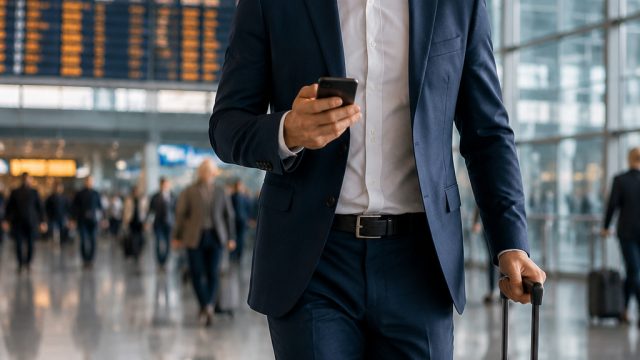
As global restrictions ease and businesses adapt to new operational norms, the landscape of business travel is undergoing a significant transformation. Recent insights reveal how these shifts are bolstering airlines, hotels, and the overall tourism industry. Understanding these emerging trends is crucial for stakeholders who aim to capitalize on the revitalization of travel.
The Resurgence of Business Travel
The latest data indicates a remarkable recovery in business travel, driven by a blend of necessity and a desire for in-person interactions. From client meetings to conferences, companies are recognizing the value of face-to-face engagements post-pandemic. As organizations lean into hybrid models, the demand for travel is projected to rise, resulting in a robust boost for the airline and hotel sectors.
Key Factors Influencing Business Travel
- Hybrid Work Environments: The adoption of flexible working models has led to increased business trips, allowing companies to reconnect with partners and clients.
- Technological Advancements: Innovations in travel tech streamline bookings and improve overall travel experiences, making it easier for companies to manage their travel logistics.
- Growing Global Markets: As businesses expand into new regions, the need for travel to establish and maintain relationships is crucial.
Impact on Airlines and Hotels
Airlines and hotel chains are significantly benefitting from the upsurge in business travel. Increased demand translates to higher occupancy rates and ticket sales, a much-needed boost after a challenging few years.
Airlines Adjusting to Demand
To cater to the surge in business travel, airlines are updating their service offerings, including:
- Enhanced onboard services to appeal to business travelers.
- Flexible booking options to accommodate last-minute changes.
- Loyalty programs focusing on corporate clients to foster repeat business.
Hotels Adapting Strategies
Hotels are also recalibrating their strategies to attract business travelers:
- Creating work-friendly environments with high-speed internet and meeting facilities.
- Offering packages tailored for corporate travelers, including shuttle services to airports and meeting locations.
- Increased focus on hygiene and safety protocols to reassure guests.
The Broader Tourism Impact
The resurgence of business travel has a cascading effect on the tourism sector. Business travelers often extend trips for leisure purposes, contributing to local economies. Destinations that cater to both business and leisure travelers are poised to thrive.
Economic Contributions
As business travel increases, so does its contribution to local economies:
- Boost in local hospitality and entertainment sectors.
- Increased spending in local shops and restaurants, enhancing community vibrancy.
- Job creation in tourism-related fields, promoting economic recovery.
Challenges Ahead
While the outlook is positive, challenges remain. Businesses must navigate rising costs, including fuel prices and inflation, which may impact travel budgets. Additionally, ongoing health concerns could lead travelers to reconsider their travel plans again.
Conclusion: A Future of Opportunities
As we move forward, the evolving landscape of business travel presents a wealth of opportunities for airlines, hotels, and the broader tourism industry. By embracing the changes and enhancing service offerings, stakeholders can benefit from the renewed interest in travel. The time to adapt and innovate is now, as businesses and travelers alike look forward to reconnecting in a post-pandemic world.
