

At its recent Config conference, Figma made headlines by introducing a suite of new tools designed to empower creatives and streamline the design process. With a clear focus on integrating artificial intelligence, Figma aims to transform how designers approach projects, allowing them to automate repetitive tasks and enhance their creative expressions.
Introducing AI Motion Graphics
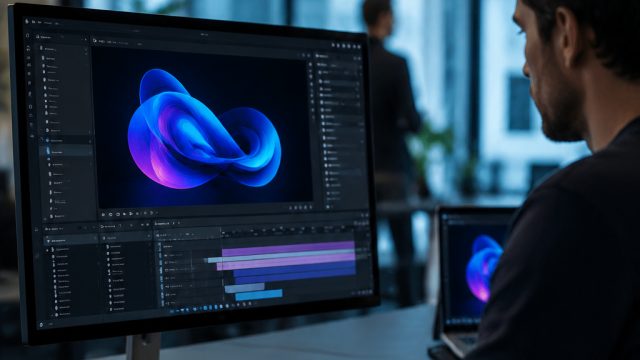
One of the standout features unveiled by Figma is its AI motion graphics capability. This tool simplifies the process of creating dynamic animations, enabling designers to generate engaging motion graphics effortlessly. The integration of AI facilitates smarter design workflows, allowing for more focus on creativity rather than manual labor.
Why Motion Graphics Matter Now
In today's digital landscape, motion graphics are not just an aesthetic choice; they are critical for user engagement. Businesses are increasingly relying on compelling visuals to capture attention in crowded markets. By incorporating AI into motion graphic design, Figma helps streamline the creative process, ensuring users can produce high-quality animations swiftly and efficiently.
Enhanced Canvas for Full-Stack Development
Figma's latest updates also include a revamped canvas that supports full-stack development. This new workspace is designed to bring together designers, developers, and AI tools, fostering a collaborative environment that enhances productivity.
The Benefits of a Collaborative Workspace
- Streamlined Communication: Improved collaboration between teams reduces miscommunication and enhances project outcomes.
- Integrated Tools: Bringing together various design and coding tools helps maintain consistency and efficiency across projects.
- AI Support: The inclusion of AI agents assists in automating routine tasks, allowing creatives to focus on innovation.
Revolutionizing Design with AI Automation
The current trend in design is heavily leaning towards automation, and Figma is at the forefront of this movement. By integrating AI across various functionalities, Figma not only enhances user experience but also drives creative possibilities.
Key Features to Explore
- AI-Powered Design Tools: These tools assist in generating design suggestions and optimizing layouts.
- Automated Coding: Developers can benefit from auto-generated code snippets that streamline the development process.
- Real-Time Collaboration: Teams can work together in real-time, ensuring that feedback is instantaneous and actionable.
As the demand for innovative and efficient design solutions grows, Figma's latest updates signal a significant shift in the design landscape. By leveraging AI technology, Figma empowers creatives to push their ideas further and overcome traditional design barriers.
Conclusion: Embrace the Future of Design
Figma’s advancements in AI motion graphics and enhanced design tools are more than just updates; they represent a paradigm shift in how design work is approached. As these technologies evolve, designers and developers alike should embrace these innovations to stay relevant in a rapidly changing digital world. Now is the time to explore the capabilities of Figma's new tools and integrate them into your creative workflow for a more efficient and dynamic design process.
