

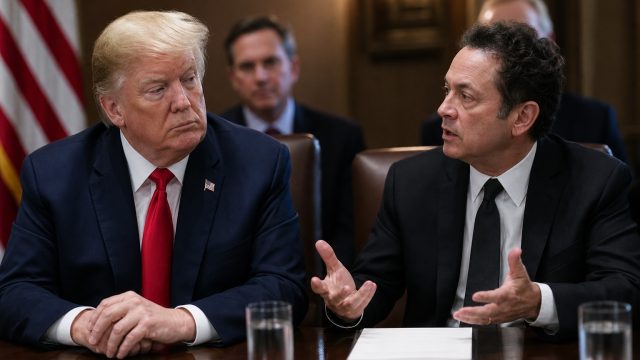
In an unexpected twist in the ongoing conversation surrounding antitrust regulations in the entertainment sector, recent court filings have revealed that former President Donald Trump had discussions with the CEO of Live Nation prior to the resolution of a significant antitrust case. This revelation raises crucial questions about the intersection of politics, the music industry, and regulatory oversight, especially in a year marked by escalating scrutiny of corporate mergers and monopolies.
Understanding the Context of the Antitrust Case
The antitrust case involving Live Nation, a titan in the concert and ticketing industry, has attracted attention for its potential implications on competition and consumer choice. Antitrust laws are designed to promote fair competition and prevent monopolistic practices that could harm consumers. With Live Nation controlling a substantial share of the live entertainment market, questions about its market dominance and pricing strategies have prompted regulatory investigations.
The Role of Live Nation in the Industry
Live Nation operates not only as a concert promoter but also as a leading ticketing platform through Ticketmaster, which has faced criticism for its stronghold over ticket sales in the United States. The company has been accused of exploiting its power, leading to higher ticket prices and limited options for consumers. Thus, the outcome of the antitrust case could redefine the future landscape of live entertainment.
Trump's Connection to Live Nation: What We Know
The court filings indicate that Trump had conversations with Live Nation's CEO, which raises eyebrows about the influence of political ties in corporate matters. While the details of these discussions remain largely undisclosed, the timing of such communications is noteworthy. The former President's influence and visibility in the entertainment industry could have implications not only for Live Nation but also for broader regulatory practices.
Implications of Political Influence on Corporate Governance
- Regulatory Scrutiny: The intersection of politics and business often leads to concerns about regulatory favoritism. These revelations could lead to heightened scrutiny of Live Nation's practices and relationships.
- Public Perception: Trust in regulatory bodies may be tested, as consumers and industry insiders question whether political connections can skew fair competition.
- Future Regulations: Depending on the outcome of the case and public reaction, this situation could prompt lawmakers to reevaluate antitrust regulations and their enforcement.
Why This Matters Now
As we navigate a post-pandemic world, the live entertainment industry is experiencing a renaissance, with consumers eager to attend events and concerts once again. This resurgence, however, also brings to light the ongoing challenges associated with corporate dominance and its effect on consumer pricing and access to entertainment options. The implications of Trump's discussions with Live Nation's leadership could resonate throughout the industry, affecting everything from artist management to ticket pricing.
Looking Ahead: What Consumers Should Watch For
As developments unfold in the antitrust case, consumers and industry professionals alike should remain vigilant. Here are a few key aspects to monitor:
- Regulatory Outcomes: Keep an eye on how the case progresses and what regulatory changes may emerge as a result.
- Consumer Rights: Understand your rights as a consumer in the ticketing process and the broader implications of pricing strategies.
- Industry Trends: Watch for shifts in how live events are marketed and sold, potentially leading to increased competition and better options for consumers.
Conclusion
The revelation of President Trump's discussions with Live Nation's CEO amid an ongoing antitrust case shines a spotlight on the complex relationships between politics, business, and consumer rights in the entertainment industry. As the situation develops, it is vital for both consumers and industry players to stay informed and engaged, ensuring that the pursuit of fair competition remains at the forefront of regulatory priorities. The outcomes of such cases will likely shape the future of live entertainment, setting precedents that will resonate in years to come.
