

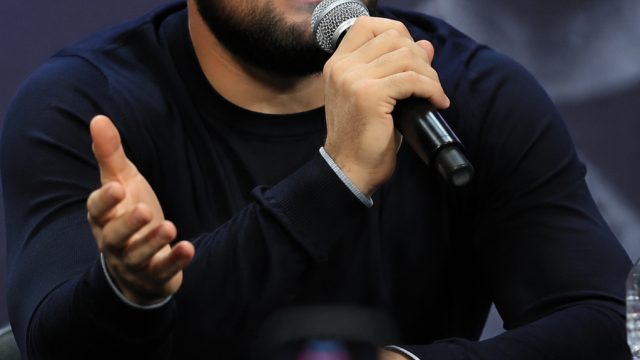
Understanding the Controversy: UFC Fighter's Remarks
In a world where public discourse often crosses boundaries, UFC fighter Josh Hokit has ignited a heated discussion with his recent remarks about former First Lady Michelle Obama. Hokit claimed that his use of the term 'man' in describing Obama was meant as a compliment, suggesting that she embodies resilience and hard work. This statement, however, has provoked a backlash, prompting many to question the implications of using gendered language in contemporary dialogues.
The Statement and Its Reception
During an interview, Hokit expressed admiration for Michelle Obama by asserting that she "knows how to deal with adversity" and "works hard like a man when times get tough." While his intentions may have been to highlight Obama's strength, the interpretation has sparked a broader conversation about gender perceptions in society.
What Makes This Discussion Relevant Now?
The timing of Hokit’s comments is particularly critical given the ongoing national conversations regarding gender equality, representation, and language. These discussions have gained momentum as society increasingly recognizes the need for sensitivity in how we discuss public figures, particularly women who have held significant roles in leadership.
Analyzing Gendered Language in Public Discourse
Language plays a pivotal role in shaping societal norms and values. Hokit’s choice of words serves as a reminder of how gendered language can reinforce stereotypes. It raises questions such as:
- What does it mean to equate hard work and resilience with masculinity?
- How do public figures contribute to or challenge existing gender norms?
- In what ways can we foster more inclusive dialogue in our communities?
The Implications of Reinforcing Stereotypes
While Hokit may have intended to highlight Obama’s strength, using masculine descriptors can inadvertently undermine the achievements of women. This is essential in understanding the dichotomy between male and female attributes—something that deserves scrutiny in a world where gender equality remains a pressing issue.
Moving Forward: Encouraging Constructive Conversations
The incident surrounding Hokit’s remarks provides an opportunity for constructive dialogue about how we perceive and speak about public figures. To move forward effectively, society must consider alternative ways to express admiration without resorting to outdated stereotypes.
Strategies for Inclusive Language
Here are some strategies that can aid in promoting respectful discourse:
- Focus on Achievements: Highlight specific accomplishments rather than attributing them to gendered traits.
- Embrace Diverse Perspectives: Recognize that strength and resilience manifest differently across all genders.
- Encourage Open Discussions: Create safe spaces for dialogue where differing views can be shared respectfully.
Conclusion: The Path to Understanding
Josh Hokit's comments about Michelle Obama illustrate the complexity of language in public discourse. As we navigate conversations about gender and societal expectations, it is vital to foster an environment of respect and inclusivity. By doing so, we can pave the way for a deeper understanding of the nuances that define our interactions and the language we choose to employ. In a time where discussions around identity and representation are more crucial than ever, let us challenge ourselves to communicate thoughtfully and effectively, recognizing the impact of our words.
