

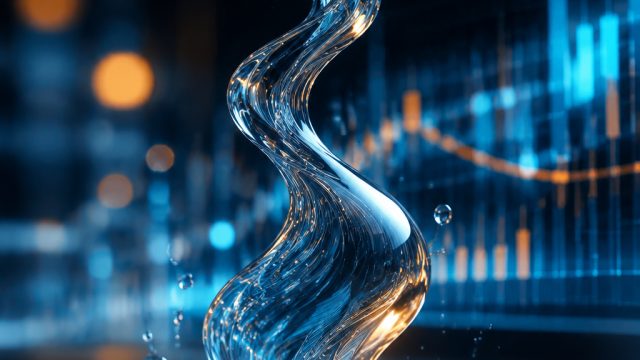
The world of digital art is constantly evolving, with new techniques and styles emerging at a rapid pace. One trend that has garnered significant attention recently is liquid morphing, a captivating animation technique that blends fluid dynamics with artistic expression. As digital artists and animators push the boundaries of creativity, understanding the implications of liquid morphing is essential for anyone interested in the future of visual storytelling.
What is Liquid Morphing?
Liquid morphing is an animation technique that creates the illusion of fluid movement and transformation within digital art. By simulating the properties of liquids, artists can craft mesmerizing visuals that captivate audiences. This technique is often characterized by its ability to convey a sense of depth, movement, and organic flow, making it a favorite choice among contemporary digital artists.
The Mechanics Behind Liquid Morphing
- Fluid Simulation: Advanced algorithms are used to create realistic liquid dynamics.
- Keyframe Animation: Artists define key moments in the morphing process, allowing for precise control over the animation.
- Shader Techniques: Custom shaders enhance the visual appeal, creating vibrant colors and textures.
Why Liquid Morphing Matters Now
The significance of liquid morphing extends beyond its aesthetic appeal. In today's digital landscape, where content saturation is at an all-time high, unique and engaging visuals are paramount for standing out. With the advent of platforms focused on video and animated content, such as streaming services and social media, artists are increasingly turning to dynamic techniques like liquid morphing to capture viewers' attention.
Applications in Various Industries
Liquid morphing is not limited to traditional art forms; it has permeated various sectors, including:
- Entertainment: Animated films and video games utilize liquid morphing to create stunning visual effects.
- Advertising: Brands are adopting fluid animations for commercials to enhance their marketing campaigns.
- Virtual Reality: Liquid morphing adds an immersive quality to VR experiences, engaging users on a deeper level.
Emerging Artists and Innovations
As the trend of liquid morphing grows, numerous artists are making waves in the digital art community. These creators are experimenting with the technique, pushing the limits of what is possible. Their innovative approaches include:
Showcasing Unique Styles
Many artists are infusing personal narratives into their liquid morphing projects, making their works not only visually stunning but also emotionally resonant. This practice encourages a deeper connection with audiences, ensuring that art transcends mere aesthetics.
Community and Collaboration
The rise of online platforms has fostered a community of artists who share techniques and collaborate on projects. This spirit of collaboration is vital for the evolution of liquid morphing, as artists learn from each other and innovate together.
The Future of Liquid Morphing in Digital Art
Looking ahead, the future of liquid morphing in digital art appears bright. As technology continues to advance, new tools will emerge, making this technique more accessible to aspiring artists. Furthermore, the increasing demand for unique digital content ensures that liquid morphing will remain relevant in the creative landscape.
Conclusion
In conclusion, liquid morphing is more than just a fleeting trend; it represents a significant evolution in the way digital art is created and consumed. As artists harness the power of fluid dynamics, they are not only redefining artistic expression but also setting the stage for the future of animation and visual storytelling. The call for innovation in digital art underscores the importance of embracing new techniques, making liquid morphing a paramount focus for today's creators.
