

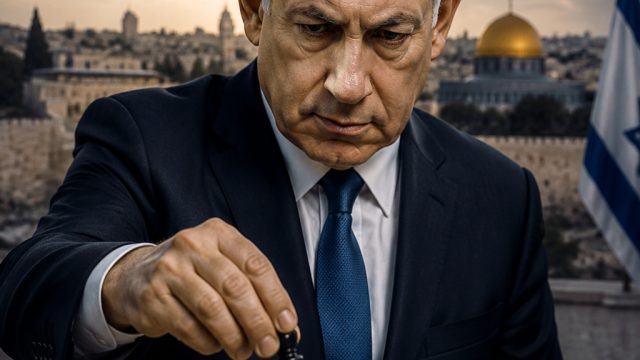
Benjamin Netanyahu finds himself at a precarious juncture in his political career, facing unprecedented challenges that threaten not only his leadership but also the stability of Israel and the broader Middle East. For over three decades, Netanyahu has framed the Iranian nuclear program as Israel's central existential threat, advocating for decisive action to counter this peril. However, recent developments give rise to questions about the efficacy of his long-standing strategies and whether he truly controls the unfolding narrative.
The Shifting Landscape of Middle Eastern Alliances
The current geopolitical environment is characterized by shifting alliances and emerging threats that complicate Netanyahu's traditional approach. As tensions rise, Israel's relationships with neighboring countries have evolved, creating new dynamics that challenge Netanyahu's authority and strategy.
Diminishing Support from Historical Allies
- The partnership with the United States is under scrutiny, with growing bipartisan concerns regarding Israel's military actions.
- Arab nations are reassessing their positions, balancing their interests with a more pragmatic stance towards Iran.
- Emerging relationships with non-traditional partners are reshaping the regional power structure.
The Role of Iran in Regional Politics
The Iranian nuclear issue remains a heavy burden on Netanyahu's agenda. His narrative has shaped the Israeli public's perception of security, but recent developments challenge this narrative's effectiveness:
- Iran's geopolitical maneuvering has gained traction, raising questions about the stability of the Israeli defense strategy.
- New intelligence suggests Iran is more embedded in regional politics than previously thought, complicating potential military responses.
- Public sentiment in Israel regarding continued military action against Iran is increasingly divided.
Internal Pressures on Netanyahu's Leadership
As Netanyahu grapples with external pressures, internal political dynamics also pose significant challenges. Various factions within the Knesset are questioning his leadership style, raising concerns about his ability to effectively manage Israel's security.
The Rise of Opposition Voices
Discontent among prominent political figures and the general public is growing:
- Critics argue that Netanyahu's hardline approach alienates potential allies.
- Calls for a more diplomatic engagement with Iran are gaining traction among younger constituents.
- Internal dissent is becoming more vocal, leading to potential challenges to his leadership.
Public Sentiment and Media Influence
Media narratives play a crucial role in shaping public perception:
- Coverage of military engagements is increasingly scrutinized by domestic and international media.
- Citizens are vocalizing their concerns over military spending versus social welfare priorities.
- Social media platforms are amplifying dissent, giving rise to new voices in the political arena.
What Lies Ahead for Netanyahu and Israel?
The road ahead for Netanyahu is fraught with uncertainty as he navigates both international and domestic challenges. Key questions remain:
- Can he maintain a united front against Iran while appeasing growing internal dissent?
- Will shifting alliances impact Israel's strategic military posture?
- How will public sentiment shape policy decisions moving forward?
Ultimately, the ability of Netanyahu to adapt to this evolving landscape will determine not only his political future but also the stability of Israel in a rapidly changing world. His gamble on leveraging fear of the Iranian threat may no longer suffice in an era where diplomacy and new alliances often hold the key to security.
Conclusion
Benjamin Netanyahu's political strategy faces significant tests as the landscape of Middle Eastern politics shifts. The intersection of internal and external pressures makes this a critical moment for Israel. As leaders reassess their tactics in the face of new realities, understanding these dynamics is essential for anyone engaged in geopolitical discussions. The implications of Netanyahu's decisions extend beyond Israel’s borders, affecting international relations and regional stability.
