

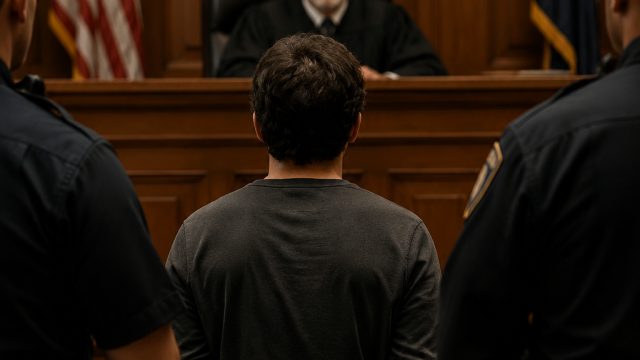
In a landmark ruling that has garnered significant attention, a Texas court recently sentenced eight individuals to a combined total of 450 years in prison due to their involvement in a violent protest against Immigration and Customs Enforcement (ICE). This incident, which occurred at the Alvarado ICE facility, raises pressing questions about the intersection of civil disobedience, law enforcement response, and the implications for future protests nationwide.
Background of the Incident
The anti-ICE protest was part of a broader movement that has gained momentum across the United States, focusing on immigration policies and the treatment of immigrants. The demonstration in Alvarado escalated into violence, resulting in an officer being shot during confrontations between law enforcement and protestors. The ensuing court case revealed deep divisions in public opinion regarding the right to protest and the limits of such expressions in the face of violent actions.
Charges and Convictions
The eight individuals were convicted of terrorism charges, a classification that suggests not only a violent act but also an intent to intimidate the government or its officials. These convictions have been described by some as a reflection of the increasing militarization of law enforcement and the crackdown on dissenting voices. The sentences, which range from 50 years to life, have sparked a heated debate about the appropriateness of such punitive measures for actions taken during protests.
Legal Repercussions and Civil Rights Implications
The long sentences mark a significant moment in the evolution of protest law in the United States. Legal experts warn that these convictions could set a dangerous precedent for how future protests are handled. As communities grapple with issues of police violence and systemic injustice, this case may deter individuals from participating in demonstrations out of fear of severe legal repercussions.
Public Reaction and Media Coverage
Public response to the sentences has been polarized. Supporters of the sentences argue that those who engage in violent protests should face strict penalties to ensure public safety. Conversely, many civil rights advocates see this as an overreach that could chill free speech and stifle legitimate protest efforts. Media coverage of the event has intensified, with various outlets highlighting the broader implications for civil liberties in America.
Future of Protests in America
With the backdrop of heightened tensions surrounding immigration policies and law enforcement practices, the Alvarado incident underscores a crucial question: how will the legal system address the balance between maintaining public order and protecting the rights of citizens to assemble and voice dissent? The outcomes of this case may influence future legislation regarding protest-related offenses.
- Increased scrutiny of law enforcement tactics during protests
- Potential for new laws addressing protest-related violence
- Impact on community relations and public trust
- How public sentiment may shift in light of these events
Conclusion
The sentencing of these eight protesters represents a critical moment in the ongoing dialogue about civil rights and law enforcement in the United States. As communities continue to navigate the complexities of protest, accountability, and the struggle for justice, the implications of this case will likely resonate far beyond Texas. Engaging in constructive dialogue about these issues is crucial as society seeks to balance the need for safety with the fundamental right to protest.
