

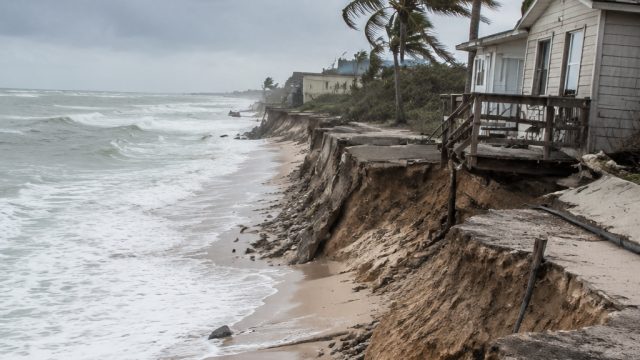
As coastal communities face increasing threats from climate change and rising sea levels, the call for more consistent government engagement with these populations has never been more urgent. Recent discussions highlight the necessity for the UK Government to not only acknowledge the impact of coastal erosion but also actively consult with the communities directly affected when developing Shoreline Management Plans (SMPs).
Understanding Coastal Erosion and Its Impacts
Coastal erosion is a natural process exacerbated by human activities and climate change, leading to significant repercussions for local environments and economies. As coastlines deteriorate, communities face loss of property, livelihood, and sometimes, their very homes. It is crucial to recognize that these changes are not just environmental issues; they are deeply intertwined with the social fabric and economic well-being of coastal residents.
The Importance of Community Involvement in Shoreline Management
Incorporating the voices and experiences of coastal communities into SMPs is essential. Here’s why:
- Localized Knowledge: Residents possess invaluable insights into the historical and ongoing changes in their coastal environments.
- Tailored Solutions: Engaging with communities allows for the development of tailored strategies that address specific local needs and conditions.
- Fostering Trust: Regular consultation builds trust between communities and government bodies, ensuring smoother implementation of management plans.
- Empowerment: Involving local populations empowers them to take an active role in protecting their environment.
Current Government Initiatives
The UK Government has made strides in addressing coastal erosion through various initiatives. However, experts argue that the current frameworks are insufficient. The absence of regular consultations means that policies may not effectively reflect the realities of those most affected. The reliance on outdated data can lead to ineffective management strategies that fail to protect vulnerable areas.
Challenges in Engaging Coastal Communities
Despite the clear benefits, engaging communities in coastal management processes faces significant challenges:
- Resource Limitations: Many local councils lack the funding and resources to actively engage communities in meaningful ways.
- Communication Barriers: Differences in language and understanding can hinder effective dialogue between government officials and local populations.
- Public Awareness: There is often a general lack of awareness regarding coastal erosion issues and the importance of community involvement.
Enhancing Engagement Strategies
To overcome these challenges, the government must adopt more innovative engagement strategies:
- Utilizing Technology: Platforms like webinars, social media, and interactive tools can facilitate broader community participation.
- Workshops and Forums: Hosting regular workshops where community members can express their views and concerns promotes collaboration.
- Partnerships with Local Organizations: Collaborating with local NGOs can help bridge the gap and enhance outreach efforts.
Looking Ahead: The Path Forward for Coastal Management
The urgency surrounding coastal erosion demands a proactive approach from the UK Government. A shift towards consistent and meaningful consultation with affected communities is vital. By embracing local knowledge and prioritizing community engagement, the government can develop effective Shoreline Management Plans that not only protect coastal regions but also empower their inhabitants.
Conclusion
In a time where climate change poses unprecedented challenges, the role of communities in shaping effective environmental policies is paramount. As coastal erosion continues to threaten livelihoods and ecosystems, the call for government action is clear: it is time to listen, engage, and innovate. By fostering stronger connections with coastal communities, the UK can ensure a sustainable and resilient future for its shorelines.
