

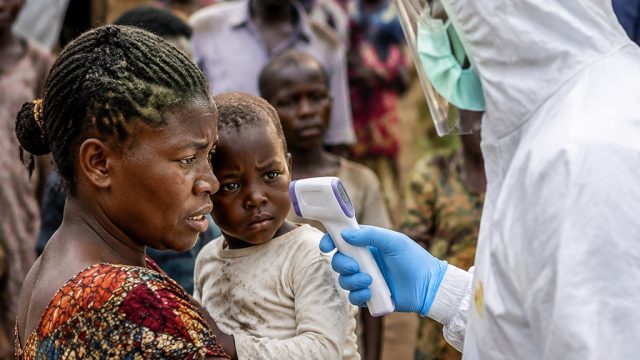
The Democratic Republic of the Congo (DR Congo) is facing a critical public health emergency as new reports reveal that Ebola cases have surged past the alarming threshold of 1,000. This rapid escalation of infections poses an immediate threat to nearly three million children and adolescents living in the region, raising urgent concerns about their health and safety. The World Health Organization (WHO) has identified this recent outbreak as one of the most severe in terms of early case counts, highlighting the need for swift and effective interventions.
Understanding the Outbreak
The current Ebola outbreak in DR Congo is primarily attributed to the Bundibugyo strain of the virus, which has demonstrated a high propensity for transmission in densely populated areas. With a reported increase in cases just one month into the outbreak, public health officials and organizations like UNICEF are scrambling to deploy resources and preventive measures.
The Impact on Children
Children are particularly vulnerable in health crises like this, not only due to their physical susceptibility to illness but also because of the socioeconomic disruptions that accompany outbreaks. The UNICEF report underscores that almost three million children are at risk, which is compounded by factors such as limited access to healthcare and inadequate sanitation facilities. The implications are dire:
- Health Risks: Increased chances of infection and mortality, particularly among children under five.
- Educational Disruption: School closures and a halt in educational activities lead to longer-term impacts on learning and development.
- Psychosocial Effects: Children may face trauma from illness, loss of caregivers, and community instability.
International Response and Urgency
The international community must act swiftly to contain the outbreak and support the vulnerable populations. Organizations like WHO and UNICEF are mobilizing to provide essential aid, including medical supplies, vaccines, and nutritional support. However, funding remains a crucial challenge.
The Role of Aid and Community Engagement
Effective response strategies require a multi-faceted approach:
- Financial Support: Increased funding for health initiatives and infrastructure improvements are critical.
- Community Education: Informing communities about prevention measures, recognizing symptoms, and seeking timely medical attention can save lives.
- Vaccination Campaigns: Rapid deployment of vaccines to high-risk populations can curb the spread of the virus.
What Can You Do?
As the situation unfolds, individuals and organizations worldwide can take action to help those affected by this crisis. Here are ways to contribute:
- Donate: Support organizations working directly in DR Congo to provide urgent medical care and humanitarian assistance.
- Raise Awareness: Share information about the outbreak and its impact on children to encourage public and political support.
- Advocate for Action: Urge policymakers to prioritize funding for Ebola response programs and public health improvements.
Conclusion
The surge in Ebola cases in the Democratic Republic of the Congo represents a critical moment for public health and humanitarian efforts. Protecting the health of nearly three million children at risk must be a top priority. As the outbreak continues to evolve, it is essential for the global community to unite in support of those affected, ensuring that adequate resources and strategies are in place to mitigate the impact of this devastating disease. The collective responsibility to act is now more crucial than ever.
