

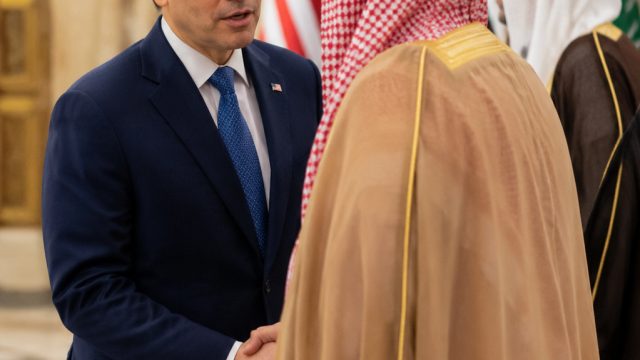
In the wake of ongoing negotiations surrounding the Iran nuclear deal, U.S. Senator Marco Rubio has embarked on a critical diplomatic mission to reassure Gulf Arab partners about their security concerns. As tensions simmer in the region, the implications of these discussions are broad and significant, impacting not only U.S.-Gulf relations but also global markets and geopolitical stability.
The Current Landscape of the Iran Deal
As negotiations between the United States and Iran resume, uncertainty looms over the potential agreement, raising alarms among Gulf nations who fear a nuclear-armed Iran. Rubio's engagements come at a pivotal moment, as he advocates for a robust U.S. presence in the Gulf to counterbalance Iran's influence.
Why Gulf States Are Concerned
- Security Threats: Gulf states, particularly Saudi Arabia and the UAE, perceive Iran's nuclear ambitions as a direct challenge to their sovereignty and stability.
- Regional Power Dynamics: A nuclear Iran could shift regional power balances, emboldening Tehran in its confrontations with Arab nations.
- Economic Implications: Instability in the region can lead to fluctuations in global oil prices, impacting economies worldwide.
Rubio's Meetings with Gulf Leaders
Senator Rubio has met with various leaders in the Gulf region to address their concerns directly and reinforce the U.S. commitment to their security. His discussions have emphasized the promise of continued military support and intelligence sharing, vital components in safeguarding these nations against potential threats.
Key Outcomes from the Diplomatic Engagements
During his recent visits, Rubio has highlighted several key commitments:
- Reaffirmation of U.S. military assistance and readiness to respond to security threats.
- Commitment to enhancing intelligence cooperation to monitor Iranian activities.
- Support for economic initiatives aimed at strengthening Gulf economies amid regional uncertainties.
The Broader Impact of the Iran Deal on Global Markets
The fallout from the Iran negotiations is not limited to the Middle East. Global oil prices, which have seen significant volatility, are closely tied to the outcomes of these discussions. Recent reports indicate that oil prices have fallen to their lowest levels since before the U.S.-Iran conflict escalated. This shift underscores how the Iran deal affects not only regional but also global economic dynamics.
Market Reactions and Predictions
Market analysts are keeping a close watch on the developments:
- Short-term Volatility: Traders are responding to news of negotiations with fluctuating oil prices, reflecting the uncertainty in the market.
- Long-term Strategies: Businesses are urged to develop contingency plans in anticipation of possible disruptions in oil supply.
- Investor Sentiments: The sentiment in the financial markets remains cautious as stakeholders assess the potential ramifications of a new deal or continued impasse.
Conclusion: Navigating the Geopolitical Landscape
As Senator Rubio works to reassure Gulf partners regarding the Iran deal, the stakes remain high. The outcomes of these negotiations will not only shape U.S.-Gulf relations but also redefine the geopolitical landscape of the Middle East. With the potential for a nuclear Iran posing serious risks, the U.S. commitment to regional stability and security is more crucial than ever. As we watch these developments unfold, it is imperative for stakeholders, both regional and global, to remain engaged and prepared for any eventualities that may arise from the ongoing discussions.
