

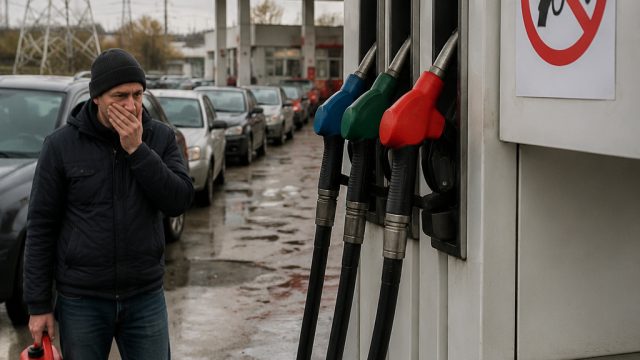
The ongoing conflict between Russia and Ukraine has heightened fuel shortages across Russia, prompting the government to consider a ban on diesel exports. This decision comes as public life in regions, including Crimea, faces severe restrictions due to the deteriorating situation. With implications for both domestic and international markets, the potential for a diesel export ban raises critical questions about the future of fuel supply and energy policy in the region.
Current State of Fuel Supply in Russia
Fuel shortages in Russia have become increasingly apparent, largely due to recent attacks on refinery facilities and ongoing military engagements. As the situation escalates, the Russian government is under pressure to ensure that domestic fuel needs are met. Here are the key factors contributing to the current fuel crisis:
- Refinery Attacks: Recent strikes have crippled several oil refineries, leading to reduced production capacity.
- Increased Demand: As conflict escalates, demand for diesel for military operations further strains available resources.
- Import Challenges: Sanctions and geopolitical tensions complicate the import of fuel and raw materials necessary for refining.
Government Response to Diesel Export Challenges
In light of the unfolding crisis, the Russian authorities are evaluating various measures to stabilize fuel supply. Among the most significant is the consideration of a diesel export ban, which would aim to preserve domestic fuel availability. This potential ban could significantly alter the landscape of oil trade and affect global prices.
Potential Impacts of a Diesel Export Ban
The proposed ban on diesel exports could usher in a series of consequences:
- Domestic Fuel Prices: Increased availability for local consumption may lead to a temporary stabilization of prices in the domestic market.
- International Relations: Such a move could sour relations with trading partners reliant on Russian diesel, causing diplomatic rifts.
- Market Adjustments: Global markets may react with volatility, adjusting to the potential decrease in Russian oil supply.
Public Life and Economic Effects
As fuel shortages worsen, public life in affected regions, particularly Crimea, is seeing strict new regulations. These measures are aimed at managing resources effectively and ensuring that what little fuel is available is allocated to essential services.
Restrictions Impacting Everyday Life
The restrictions imposed on public life include:
- Transportation Limits: Reduced public transport availability is leading to increased difficulties in commuting.
- Rationing Measures: Government-imposed fuel rations are being implemented for private vehicles.
- Economic Disruption: Businesses reliant on transportation are experiencing interruptions that could lead to broader economic impacts.
Future Outlook and Conclusion
As we monitor the evolving situation, the potential for a diesel export ban combined with the continued conflict in Ukraine presents a precarious scenario for Russia. The implications extend beyond mere fuel shortages; they encompass economic stability, international trade relations, and everyday life for millions of citizens.
In this context, staying informed through credible sources is essential. Understanding how these developments impact both local and global landscapes will be crucial for stakeholders in various sectors, from energy to transportation.
In conclusion, as the Russian government deliberates on its next steps regarding diesel exports, observers worldwide are left to ponder the broader ramifications of these decisions amid a time of unprecedented geopolitical tensions.
