

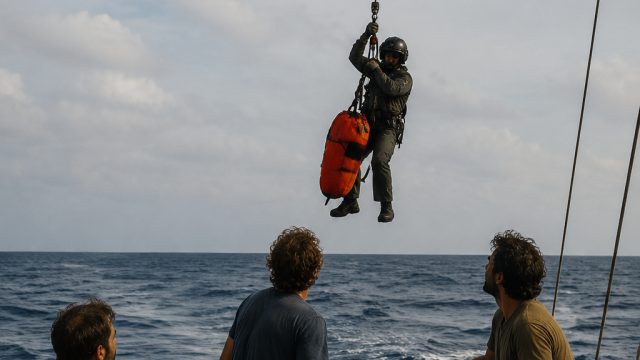
Urgent Evacuation Plan for Stranded Sailors in Hormuz
The maritime crisis in the Strait of Hormuz has escalated, prompting the United Nations to initiate an extensive evacuation plan for over 11,000 sailors who find themselves trapped in the region. This development comes at a time of heightened tensions and geopolitical instability in one of the world’s most crucial shipping lanes.
Background of the Crisis
The Strait of Hormuz, a vital corridor for global oil shipments, has been experiencing escalating conflicts that have led to significant disruptions in maritime traffic. Shipping companies and their personnel have faced mounting risks, resulting in a backlog of vessels unable to safely navigate the strait. This situation not only endangers the lives of those onboard but also threatens global supply chains.
Impact of Current Tensions
The ongoing geopolitical strife has raised concerns about the safety of navigation in the area. As tensions increase, insurers have begun preparing for potentially severe claims related to maritime incidents linked to these conflicts. Such developments underscore the urgency of the UN's intervention.
Evacuation Logistics and Implementation
The UN’s evacuation plan entails a phased approach to ensure the safe departure of sailors from various vessels stranded in the region. The operation is set to commence shortly, with logistics teams coordinating with shipping companies and local authorities to facilitate the movement of personnel.
- Assessment of stranded vessels
- Coordination with international maritime organizations
- Safety protocols for evacuation
- Transportation arrangements to safe harbors
Why This Matters Now
The situation in the Strait of Hormuz is not merely a humanitarian issue; it has far-reaching implications for global trade and energy markets. With approximately 20% of the world’s oil passing through this narrow passage, any disruption can lead to significant fluctuations in energy prices and market stability.
Potential Economic Ramifications
As the UN acts to protect the stranded sailors, analysts are closely monitoring the broader economic implications. The potential for increased tensions in the region could lead to higher shipping costs, impacting everything from consumer goods to energy prices worldwide.
Global Response to the Crisis
Countries around the world are being called to respond to this crisis, with discussions emerging on how to ensure maritime safety in the region. Collaborative efforts may be needed to provide a comprehensive solution to the ongoing threats faced by vessels, ensuring that such crises do not persist in the future.
Conclusion
The urgent evacuation of stranded sailors in the Strait of Hormuz represents a critical response to a precarious situation. As the UN implements its plan, the international community must remain vigilant, addressing the underlying issues that contribute to instability in this key maritime corridor. The ramifications of this crisis extend beyond the immediate dangers faced by sailors, echoing through global economies and impacting lives worldwide.
