

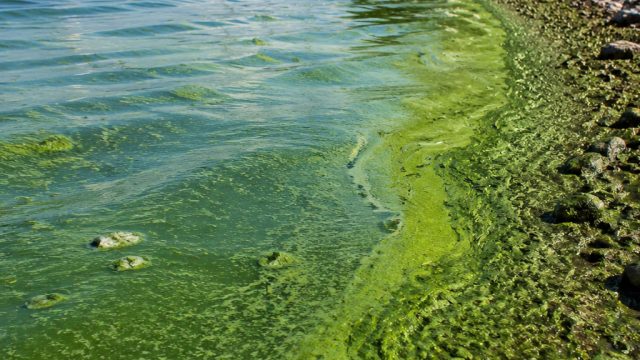
Recently, discussions surrounding pollution and environmental challenges have gained significant traction. The issue of algae blooms, brought to light through current events, transcends local incidents, indicating a broader environmental crisis. It’s crucial to comprehend the implications of such blooms—not just in a localized context, but for our ecosystem at large. This article delves into why understanding algae blooms is more relevant than ever.
The Rising Frequency of Algae Blooms
Algae blooms have been reported with increasing frequency in various water bodies, raising alarm bells among environmentalists and public health officials. These occurrences are not simply aesthetic nuisances; they are indicative of underlying water quality issues that can have detrimental effects on both marine life and human communities.
What Causes Algae Blooms?
- Nutrient Runoff: Excess nutrients, particularly nitrogen and phosphorus, often from agricultural runoff, contribute significantly to algae growth.
- Climate Change: Rising temperatures can exacerbate conditions that favor algae proliferation.
- Pollution: Industrial waste and untreated sewage discharge can introduce harmful substances that promote blooms.
The Environmental and Health Impacts
The prevalence of algae blooms poses serious threats beyond the initial visual impact. These blooms can lead to hypoxia, or oxygen depletion, which can devastate aquatic life. More importantly, some algae produce toxins that can contaminate drinking water sources, posing significant health risks to humans.
Recent Incidents and Their Effects
Recent events surrounding water quality issues, including high-profile algae blooms, have brought these concerns to the forefront. For instance, the Reflecting Pool incident has sparked discussions not just about local conservation efforts, but also the increasing frequency of algae blooms nationwide. Such incidents underscore the need for immediate action and understanding of these environmental phenomena.
Addressing the Algae Bloom Crisis
Mitigation strategies are essential in combating the rise of harmful algae blooms. Stakeholders, including government bodies and local communities, must work in concert to address the contributing factors.
Best Practices for Management
- Implementing Sustainable Agriculture: Reducing fertilizer use and promoting organic farming practices can help minimize nutrient runoff.
- Improving Wastewater Treatment: Enhancing treatment facilities to prevent industrial and sewage discharges can decrease the nutrient load in water bodies.
- Community Awareness Programs: Educating the public about the impacts of pollution and promoting local cleanup efforts can foster community-driven solutions.
Conclusion: A Call to Action
The conversation around algae blooms is not merely about a single event; it is emblematic of broader environmental challenges that we face today. As these blooms continue to affect waterways across the globe, it becomes imperative for individuals, communities, and governments to take actionable steps towards mitigating this crisis. By understanding the causes and consequences of algae blooms, we can better equip ourselves to protect our precious water resources for future generations.
