

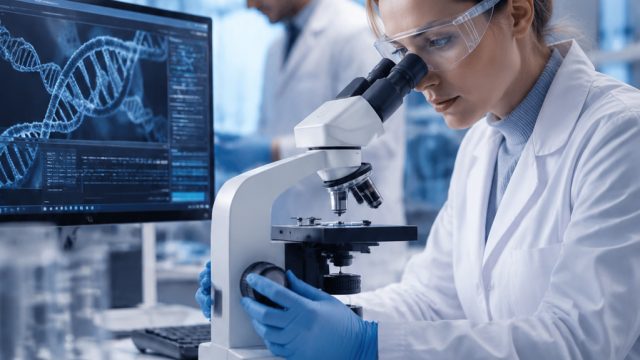
The field of biotechnology is witnessing a surge of innovation, particularly in gene editing technologies aimed at correcting genetic disorders before they manifest. New companies like Preventive and Origin Genomics are at the forefront of this movement, combining gene editing with in vitro fertilization (IVF) to tackle mutations that lead to various diseases. As these startups develop their strategies, the implications for public health and ethics are provoking mixed reactions from advocacy groups. This article delves into how these advancements could alter the future of healthcare and what they mean for individuals affected by genetic conditions.
The Role of Gene Editing in Disease Prevention
Gene editing technologies, such as CRISPR, have opened new frontiers in medicine by offering the potential to modify the genes associated with hereditary diseases. For instance, by utilizing gene editing in conjunction with IVF, it may be possible to ensure that embryos are free from specific genetic mutations, reducing the likelihood of disease later in life. Startups like Preventive and Origin Genomics are pioneering these techniques and are working to translate these scientific advancements into clinical practice.
How These Startups Operate
- Preventive: Focuses on identifying disease-causing mutations and developing targeted editing techniques to modify embryos during the IVF process.
- Origin Genomics: Aims to combine genetic screening with editing solutions to enhance the likelihood of healthy births while minimizing the risk of genetic disorders.
- Both companies are leveraging cutting-edge research in genetics to move from theoretical frameworks to practical applications.
Concerns from Advocacy Groups
Despite the promising advancements, advocacy groups representing individuals with genetic disorders are expressing caution. Their concerns revolve around the ethical implications of editing embryos, including the potential for unintended consequences and the societal impact of selecting genetic traits. Many fear that these technologies could lead to a slippery slope of 'designer babies,' where genetic enhancements could create new forms of inequality.
The Ethical Dilemmas
Some of the primary ethical questions include:
- What constitutes a 'healthy' embryo, and who decides this definition?
- Will these technologies exacerbate social inequalities by making them accessible only to wealthier families?
- How can the long-term effects of gene editing be monitored, given that changes may not be immediately apparent?
Changing Public Perception and Regulatory Landscape
The rapid advancement in gene editing technology is also sparking a shift in public perception. As more information becomes available, individuals are becoming increasingly informed about their genetic makeup and the potential to alter it. This growing awareness is prompting calls for clearer regulatory frameworks that ensure safety and ethical considerations are prioritized in gene editing endeavors.
The Need for Regulation
Numerous stakeholders agree that a robust regulatory framework is essential:
- Establish standards for the ethical application of gene editing technologies.
- Provide guidelines for informed consent for parents considering these options through IVF.
- Ensure that advancements are accessible and equitable across different socioeconomic groups.
Conclusion: The Future of Gene Editing and Genetic Health
As startups like Preventive and Origin Genomics continue to innovate in the field of gene editing, the future of genetic health presents both profound opportunities and significant challenges. The potential to eradicate hereditary diseases through thoughtful application of gene editing technologies could revolutionize healthcare. However, this must be matched with a strong ethical framework and public discourse to address the concerns raised by advocacy groups. As society navigates this complex landscape, the need for informed dialogue and responsible innovation remains critical in shaping a future where genetic health is a reality for all.
