

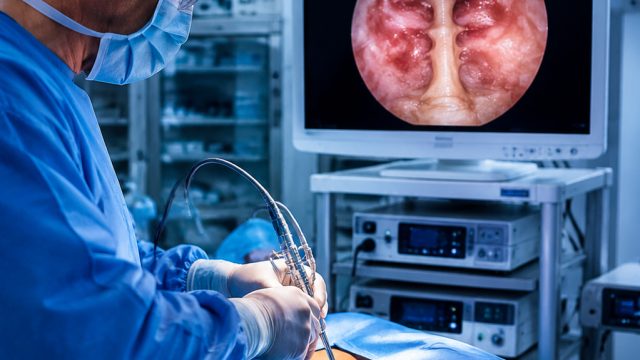
As the healthcare landscape continues to evolve, hospitals are increasingly investing in endoscopic spine surgery programs. This shift towards minimally invasive techniques is not just a reflection of technological advancement; it holds significant implications for hospital revenue models, patient care, and overall healthcare efficiency. Understanding why this trend is gaining momentum is crucial for healthcare professionals and patients alike.
The Financial Implications of Surgical Choices
Traditionally, hospitals have faced hesitance to adopt endoscopic methods for spine surgeries due to the higher costs associated with disposable instruments compared to open surgery alternatives. The arithmetic appears stark on the surface: more expensive tools mean less revenue generated per procedure.
However, as patient demands shift toward less invasive treatments, healthcare providers are re-evaluating the financial framework of surgical practices. The focus is shifting from immediate revenue generation to long-term patient satisfaction and outcomes.
Patient-Centric Approach
- Quicker recovery times
- Reduced hospital stays
- Lower complication rates
These factors not only improve patient experiences but also enhance the hospital's reputation, leading to increased patient volumes over time. A satisfied patient is more likely to recommend the facility and return for future needs, creating a positive feedback loop that benefits both the provider and the patient.
The Rise of Minimally Invasive Techniques
Minimally invasive spine surgery, particularly endoscopic techniques, is changing the narrative around surgical interventions. Unlike traditional open surgeries, which often require large incisions and prolonged recovery periods, endoscopic procedures offer significant advantages:
- Minimal tissue damage
- Precision in targeting spinal issues
- Less postoperative pain
This shift corresponds with a broader trend in medicine towards techniques that prioritize patient safety and comfort. As hospitals integrate endoscopic programs, they are not merely adopting a new surgical method; they are committing to a holistic improvement in patient care.
Innovations in Technology
Technological advancements have been a driving force behind the resurgence of endoscopic spine surgery. New tools and techniques have made it easier for surgeons to perform complex procedures through small incisions, ensuring better outcomes. Enhanced imaging technologies and robotics play key roles in this transformation, allowing for greater accuracy and efficacy in surgical practices.
Challenges Ahead: Cost vs. Benefit
Despite the advantages, there are challenges to consider. The upfront costs for training staff and purchasing specialized equipment can be significant. Additionally, hospitals must navigate the regulatory landscape and ensure compliance with ever-evolving medical standards.
To mitigate these challenges, hospitals are exploring partnerships with technology firms and investing in staff training programs. This proactive approach can help facilities leverage the benefits of endoscopic spine surgery while addressing the financial hurdles.
Looking Forward: The Future of Spine Surgery
As we look to the future, the demand for endoscopic spine procedures is set to grow. Factors driving this demand include:
- Aging populations looking for less invasive options
- Increased awareness of patient rights to choose their treatment
- Growing evidence supporting the efficacy of endoscopic techniques
Healthcare providers must adapt to this evolving landscape by prioritizing research and development in endoscopic practices. As hospitals embrace these changes, they not only improve their own operational efficiency but also enhance patient outcomes, creating a win-win scenario.
Conclusion: A New Era in Spine Surgery
The shift towards endoscopic spine surgery represents a significant advancement in medical practice. As hospitals race to implement these programs, they are not only responding to patient needs but are also rethinking their economic strategies. The successful integration of these minimally invasive techniques holds promise for a healthier future, where patient care and hospital sustainability go hand in hand. Keeping abreast of these developments is vital for all stakeholders in the healthcare ecosystem.
