

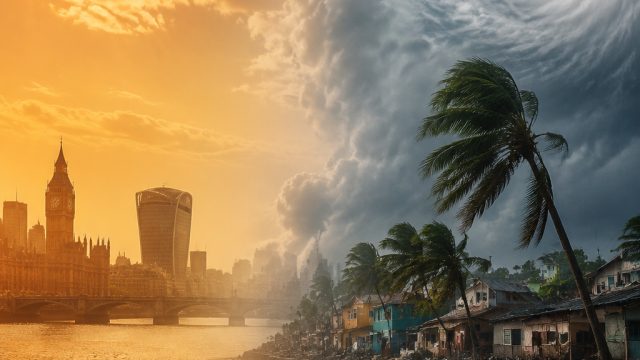
Europe Faces Record Heat as Typhoon Approaches the Philippines
This summer, Europe is experiencing an unusually intense heat wave, with temperatures soaring across various regions. As western Europe prepares for a shift in weather patterns, eastern parts of the continent brace for even hotter conditions, with forecasts predicting temperatures rising dramatically over the next week.
The Heat Wave Unfolding Across Europe
Over the past few days, central and western Europe has recorded some of the highest temperatures of the season. Countries such as Poland, Slovakia, and Hungary are expected to see peak highs ranging from 35°C to 40°C. The ongoing heat wave is not just an uncomfortable phenomenon; it poses significant health risks and challenges for local economies.
Impacts on Daily Life
- Increased demand for energy as air conditioning units work overtime.
- Higher risks of heat-related illnesses, especially among vulnerable populations.
- Potential delays in transport and logistics due to extreme weather conditions.
As temperatures continue to rise, health officials are urging citizens to stay hydrated and limit outdoor activities during peak heat hours. Local governments are also taking steps to provide cooling centers for those in need.
Weather Shifts: Cooler Western Europe vs. Heat in the East
While eastern Europe prepares for elevated temperatures, western regions are facing a cooling trend, with predictions of rain showers and thunderstorms. This shift is a stark reminder of the variability in weather patterns and the impacts of climate change.
Forecast for Western Europe
As the heat transitions eastward, areas like France and the UK can expect:
- Lower temperatures but increased precipitation.
- Possible flash floods in regions that are unprepared.
- Short-lived but intense thunderstorms, leading to localized disruptions.
Typhoon Mekkhala: A New Threat in the Pacific
As Europe grapples with extreme heat, another weather event is developing in the Pacific: Typhoon Mekkhala. Currently centered east of Luzon, this typhoon has escalated to a formidable storm with sustained winds reaching 75 mph and gusts exceeding 100 mph.
What to Expect from Typhoon Mekkhala
The trajectory of Typhoon Mekkhala indicates it will move northward through the Philippine Sea, and here’s what residents can anticipate:
- Potential landfall in the northern Philippines with hazardous conditions.
- Heavy rainfall leading to possible flooding, landslides, and infrastructural damage.
- Strong winds that could disrupt communication and power services.
Authorities are closely monitoring the storm’s development, and evacuation plans are being put into place for coastal communities likely to be affected.
Why These Weather Events Matter Now
The simultaneous occurrence of extreme heat in Europe and the strengthening of Typhoon Mekkhala in the Pacific highlights a significant trend in our climate: increasing instances of extreme weather. This trend not only affects immediate quality of life but also has long-term implications for global climate patterns, food security, and public health.
Long-Term Considerations
As climate change continues to shift weather patterns, understanding and adapting to these changes is vital. Here’s why staying informed matters:
- Enhances preparedness for future extreme weather events.
- Informs public policy and environmental strategies.
- Encourages community awareness and resilience.
In conclusion, as Europe deals with an unyielding heat wave and the Philippines braces for a powerful typhoon, the urgent need for awareness and action regarding climate change is clearer than ever. Citizens and governments alike must consider proactive measures to safeguard lives and livelihoods against the growing threat of extreme weather.
