

The Future of Beauty Retail: Trends and Innovations for 2026
As we approach the year 2026, the beauty retail sector is on the brink of significant transformation. The landscape is shifting rapidly with technological advancements and changing consumer behavior, making it essential for brands to adapt in order to thrive. This article explores the anticipated trends and innovative strategies that beauty retailers are implementing to stay relevant and competitive.
Embracing Technology: The Next Wave for Beauty Retail
Technology continues to revolutionize the beauty industry, and as we move forward, several key developments are set to reshape the retail experience.
Augmented Reality (AR) and Virtual Try-Ons
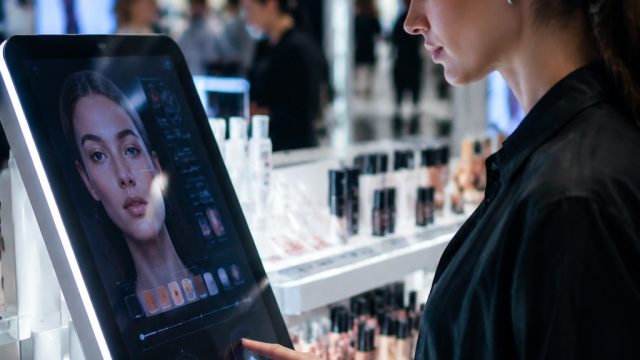
AR technology is becoming increasingly popular, allowing customers to virtually try on products such as makeup and skincare. This innovation not only enhances the shopping experience but also helps reduce product returns, addressing a significant pain point for retailers.
- Brands like Sephora and Ulta are already leveraging AR for virtual try-ons.
- Consumers report higher satisfaction and confidence in their purchases.
Personalization through AI
Artificial Intelligence (AI) is set to play a pivotal role in creating personalized shopping experiences. By analyzing customer data, brands can offer tailored recommendations, enhancing customer loyalty and engagement.
- AI-driven chatbots provide instant customer support and product suggestions.
- Personalized marketing campaigns yield higher conversion rates and customer retention.
Sustainable Practices: The Demand for Eco-Friendly Products
Today's consumers are more environmentally conscious than ever, driving beauty brands to adopt sustainable practices. In 2026, we anticipate that eco-friendliness will not just be a trend but a standard expectation.
Ethical Sourcing and Ingredients
Consumers are increasingly interested in the origins of the products they use. Brands that prioritize ethical sourcing and transparency in ingredients will likely gain a competitive edge.
- Look for certifications like Fair Trade and organic labels.
- Brands such as Lush and The Body Shop are leading the way in ethical beauty.
Reducing Plastic Waste
With the global emphasis on reducing plastic consumption, beauty brands are innovating their packaging solutions. Refillable containers and biodegradable materials are becoming the norm.
- Companies like Kiehl's are introducing refill stations in stores.
- Eco-conscious packaging appeals to the growing demographic of sustainable shoppers.
The Rise of Online and Hybrid Shopping Models
The COVID-19 pandemic has permanently altered consumer shopping habits, leading to a surge in online beauty retail. By 2026, we can expect a blend of online and offline shopping experiences.
Enhancing E-Commerce Platforms
Brands are investing in robust e-commerce platforms that provide seamless shopping experiences. Features such as live streaming and interactive content are becoming essential.
- Live demonstrations and tutorials can drive sales and customer engagement.
- Interactive quizzes help customers find products suited to their needs.
Community and Experience-Centric Stores
Physical retail spaces are transforming into community hubs where customers can engage with the brand beyond transactions. Events such as workshops and product launches are becoming more common.
- Welcoming environments encourage customers to explore and connect.
- Brand loyalty is enhanced through community engagement.
Conclusion: Preparing for Change in Beauty Retail
The beauty retail landscape in 2026 promises to be vibrant and multifaceted, shaped by technology, sustainability, and evolving consumer preferences. Brands that proactively adapt to these changes will not only survive but thrive in the competitive market. By embracing innovation and prioritizing consumer engagement, the future of beauty retail holds exciting prospects for brands and consumers alike.
