

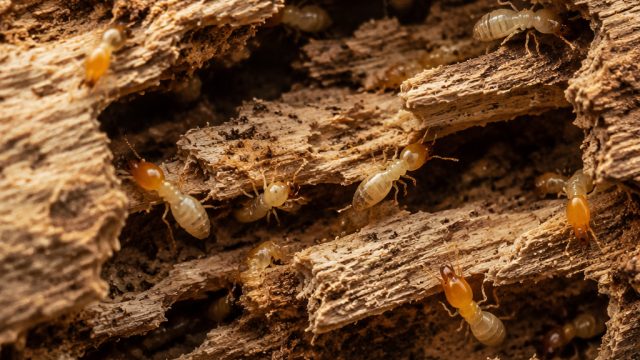
As we enjoy the comfort of our homes and buildings, a silent war rages beneath the surface, where insects thrive in the wooden structures that support our lives. Understanding the dynamics of this ecosystem is crucial now more than ever, especially as we witness the impact of climate change on pest populations and wood durability. In this article, we delve into the relationship between wood and insects, uncovering the types of pests that pose risks, the signs of damage they leave behind, and the preventive measures we can take to protect our assets.
The Ecosystem of Wood
Wood is not just a building material; it is a habitat for various organisms, particularly insects. Many species coexist within the wooden structures of our homes, some benign, while others can cause significant damage. Understanding these dynamics allows us to appreciate the complexity of wood as a living material.
Beneficial versus Destructive Insects
- Beneficial Insects: Certain insects play roles in decomposing dead wood and recycling nutrients back into the soil.
- Destructive Insects: Termites, carpenter ants, and wood-boring beetles are notorious for undermining the integrity of wooden structures.
This duality calls for awareness and action, particularly for homeowners and builders who rely on wood for construction.
Signs of Insect Infestation
It is vital to remain vigilant for signs of insect infestation. Early detection can aid in preventing extensive damage and costly repairs. Here are some indicators to watch for:
Physical Damage
- Hollow Sound: Tapping on wood may produce a hollow sound, indicative of internal damage.
- Sawdust Piles: Small piles of sawdust or frass around wood can signal termite activity.
- Visible Tunnels: Some pests create tunnels in wood, which may be visible on the surface.
Unusual Changes
- Structural Changes: Cracks or warping in wood can signal insect activity.
- Noise: Listen for noises within walls, particularly at night when many insects are active.
Preventive Measures to Protect Wooden Structures
Understanding how to protect against insect damage is essential. Here are some practical strategies for homeowners and builders:
- Regular Inspections: Schedule routine inspections of wooden structures to identify early signs of infestation.
- Moisture Control: Reduce moisture levels around wood since many insects thrive in damp environments.
- Use Treated Wood: Consider using pressure-treated wood that is less appealing to pests.
- Seal Cracks and Gaps: Ensure that all gaps, cracks, and holes are sealed to prevent entry points for insects.
These strategies not only protect wooden structures but also promote sustainability in building practices.
The Importance of Awareness in Today’s Context
With climate change altering ecosystems, insect populations are likely to shift, resulting in new challenges for wood preservation. This environmental shift means that the risk of insect damage may rise, making it even more important for homeowners and builders to be proactive. The consequences of neglecting these pests can be dire, affecting the stability and safety of our living spaces.
Future Trends in Wood Preservation
- Innovative Treatments: New technologies and treatments are being developed to protect wood more effectively.
- Education and Resources: Increased access to information on pest management is essential for homeowners.
As we navigate the complexities of wood ecosystems, staying informed and prepared will enable us to protect our structures from the hidden threats that bugs present. By understanding both the beneficial and harmful roles of insects in our environment, we can make informed decisions that prioritize sustainability and safety.
Conclusion
Insects may be small, but their impact on wood structures is profound. By recognizing the importance of these ecosystems and taking preventive measures, we can safeguard our homes and buildings. As we face ongoing environmental changes, awareness and proactive strategies will be our best defenses against the unseen threats that lie just beneath the surface of our wooden structures. Now is the time to act and protect our investments for the future.
